Troubleshooting Tips: Why Your Diffuser Isn't Filling the Room
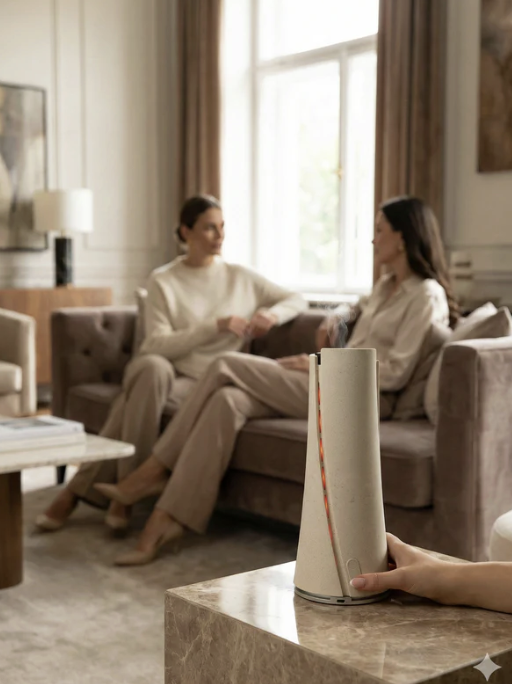
Your Diffuser Might Be Working Just Fine
Picture this: you've got a brand-new bottle of fragrance oil installed, the settings look right, and the unit's running beautifully. Still, the fragrance seems to hover right around the diffuser itself rather than filling the room the way you'd hoped. You might wonder if something's wrong with the fragrance oil or if the diffuser isn't working properly.
Here's the good news: in most cases, nothing's broken. The diffuser's doing exactly what it should. The issue is simply where it's sitting. Placement is one of the easiest things to adjust, and it's also the one aspect of diffuser use that almost nobody thinks about at first.
This guide will show you how to improve diffuser coverage through intentional positioning. Sometimes moving your diffuser just a few feet can completely transform how it performs.
Why Placement Matters More Than You Think
How scent actually travels through a room
Cold-air diffusers convert fragrance oil into an ultra-fine dry micro-mist and release it into the surrounding air. That mist doesn't fill a room uniformly the way water fills a container. Instead, it follows the natural movement of air through your space.
Rooms with gentle air circulation (think open doorways, ceiling fans on low, or HVAC vents creating soft airflow) distribute scent far more evenly than still, closed spaces. The height of your diffuser also plays a role. Placed too low, the mist can settle before it travels very far. At mid-height, it catches that natural air movement and spreads throughout the room.
If you're curious about how scent travels through a room, it's all about airflow patterns and how fragrance molecules move along with them.
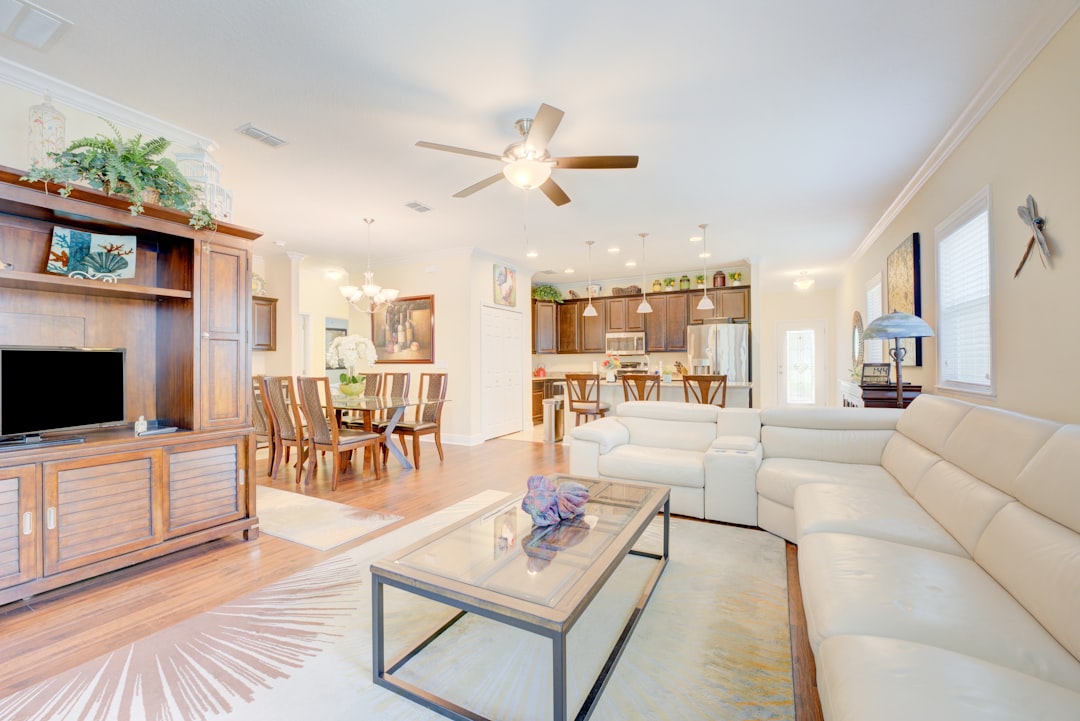
How diffuser placement can affect scent coverage
A diffuser in the wrong spot can perform well below its rated coverage area. Not because anything's wrong with the unit, but because the placement is working against it rather than with it.
For example, a diffuser tucked into the corner of a large room pushes scent into two walls rather than into the open space. Move that same diffuser to a more central position, and suddenly it fills the entire room on the same settings.
Before you assume your diffuser isn't strong enough or the oil isn't performing, try moving it. It costs nothing and frequently solves the problem entirely.
The Most Common Placement Mistakes
Too close to a wall or in a corner
Corners seem like the perfect spot for a diffuser. They're tidy, out of the way, and visually unobtrusive. Unfortunately, they're also one of the least effective positions for scent distribution.
When a diffuser sits in a corner, the mist disperses into the two walls behind it rather than into the open room. Coverage drops dramatically.
The fix: Move your diffuser at least two to three feet from any wall. A more central position or a spot along an open wall with room in front of it works beautifully.
Too close to an air vent or window
HVAC vents and open windows create strong, directional airflow. A diffuser placed directly below or beside a vent will have its mist carried away immediately. The scent disappears before your room can benefit from it.
Similarly, a diffuser near an open window sends fragrance outside rather than through your home.
The fix: Position your diffuser at least three to four feet from any strong airflow source.
Too low to the ground
Cold-air diffusion produces a fine mist that's slightly heavier than warm air. When placed very close to the floor, that mist can settle without traveling effectively through the room.
The fix: Position your diffuser on a shelf, side table, or counter at roughly waist to chest height. This allows the mist to catch natural air movement and distribute throughout your space.
In an enclosed space with no air movement
Diffusers work best when there's some gentle air circulation in the room. Not strong wind, just the natural movement created by people walking through the space, a ceiling fan on its lowest setting, or the soft circulation from your HVAC system.
A completely sealed, still room with no air movement will have the scent concentrate near the diffuser rather than distributing evenly.
The fix: A ceiling fan on its lowest setting or leaving an interior door slightly open to allow gentle air movement makes a meaningful difference in how evenly scent distributes.
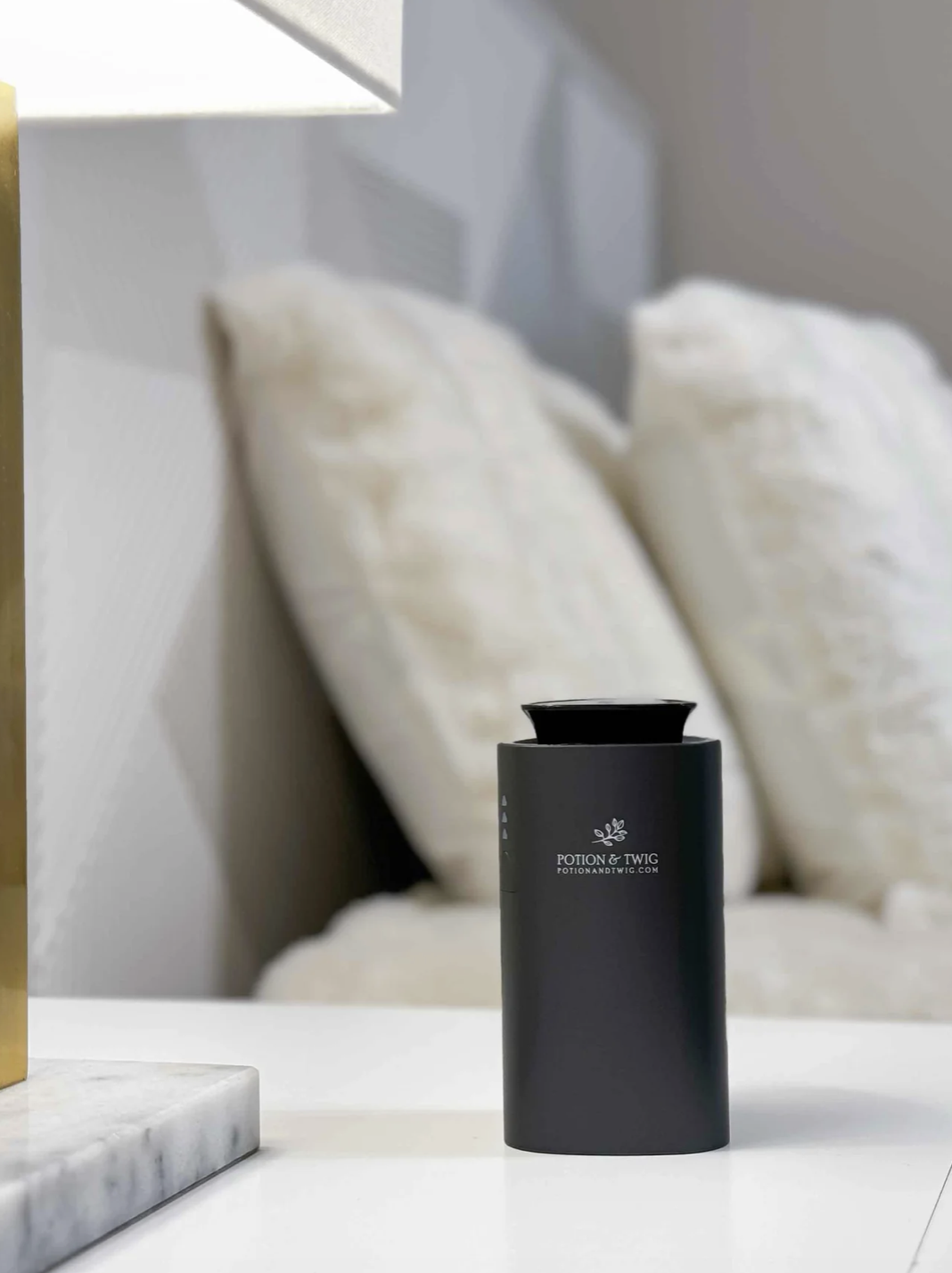
Room-Specific Diffuser Placement Tips
Different rooms have different shapes, airflow patterns, and needs. Here's where to position your diffuser for maximum performance in each main space.
Living rooms and open-plan spaces
Position your diffuser on a console table, sideboard, or shelf along the longer wall of the room. Not in a corner. For open-plan spaces, aim for a position that's roughly central to the area you want to scent rather than pushed to one end.
Keep it at least three feet from the nearest air vent. For larger open-plan spaces (over 800 square feet), consider the Gallery diffuser (up to 1,500 square feet) or Terra (up to 2,000 square feet) rather than expecting a smaller model to cover more than its rated area.
Bedrooms
Position your diffuser on a nightstand or dresser at mid-height and away from the bed itself. This allows the mist to disperse across the room rather than concentrating near your pillow.
Keep it away from the bedroom door if the door is frequently open. Otherwise, scent will travel out of the room rather than filling it.
The Companion diffuser (battery-operated, up to 300 square feet) is ideally sized for most bedrooms. No outlet constraints, so you can position it anywhere.
Home offices
Position your diffuser on the desk or a nearby shelf at sitting height. This puts the scent at exactly the level where it's most noticeable during work.
Keep it away from the computer's cooling fan. The fan creates directional airflow that can carry scent away from your workspace. The Companion is perfect for a personal office space: compact, quiet, and perfectly sized.
Entryways and hallways
Position your diffuser on a console table or wall-mounted shelf at chest height. Entryways benefit enormously from a diffuser because scent is the first thing guests register. Even a small Companion running in an entryway creates a powerful first impression.
Entryways often have natural air movement from doors opening and closing. This actually helps distribute scent into adjacent spaces.
Large or Multi-Room Spaces
One of the most common diffuser frustrations happens when a single unit is asked to cover more space than it's designed for. If your diffuser is running at full intensity and still not filling the room, the problem usually isn't the diffuser — it's the mismatch between the unit's rated coverage and the actual size of the space.
The instinct is to turn the intensity up higher. Unfortunately, that doesn't solve the problem. What it actually does is create a concentrated area of strong scent near the diffuser while the rest of the room stays under-scented. More intensity doesn't mean better distribution — it means more fragrance in one spot.
The real solution is matching the right diffuser to the right space:
-
Sienna — up to 800 sq ft
-
Spire — up to 1,000 sq ft
-
Lumen — up to 1,000 sq ft
-
Gallery — up to 1,500 sq ft
-
Terra — up to 2,000 sq ft
For truly open-plan homes or spaces that flow between multiple rooms, consider running two smaller diffusers in different areas rather than one large unit in a single position. Two Companions or two Siennas positioned thoughtfully will outperform one Terra running in the wrong spot every time.
Troubleshooting: Why Doesn't My Diffuser Fill the Room?
Before you assume there's a problem with your diffuser or fragrance oil, walk through this quick diagnostic checklist:
-
Is it in a corner? Move it at least two to three feet from any wall.
-
Is it near a vent or window? Relocate at least three to four feet from any strong airflow source.
-
Is it too low? Raise it to shelf or table height.
-
Is there any air movement in the room? Try a ceiling fan on the lowest setting or leave a door slightly open.
-
Is the space larger than the diffuser's rated coverage? The diffuser is doing its job. The space just needs a larger model or a second unit. Coverage reference: Sienna (up to 800 sq ft), Spire (up to 1,000 sq ft), Lumen (up to 1,000 sq ft), Gallery (up to 1,500 sq ft), Terra (up to 2,000 sq ft).
-
Has the diffuser been cleaned recently? Oil residue buildup on the atomizer can reduce output. A clean with Potion & Twig's Diffuser Cleaner often restores full performance.
-
Is the fragrance oil bottle correctly seated? An improperly installed bottle reduces output. Remove and reinstall to ensure a secure connection.
If none of these fixes resolve the issue, contact Potion & Twig support at needhelp@potionandtwig.com. Your diffuser has a 90-day warranty.
The Right Position Changes Everything
Most diffuser performance issues aren't equipment problems. They're placement problems. And placement is the easiest fix available.
The key principles are simple: away from corners, away from vents and windows, at mid-height, with gentle air movement in the room, and appropriately matched to the size of the space.
Try one adjustment today. Move your diffuser to a more central position, raise it to shelf height, or make sure it's away from the nearest vent. Notice the difference before making any other changes.
Even the most beautifully crafted fragrance (like Retreat, with its clean blend of marine waters, jasmine, and warm woods) can only perform as well as its position allows. Give it the right spot and it will do exactly what it was designed to do.
If your current diffuser model isn't covering the space you need, explore the full lineup at potionandtwig.com/collections/diffusers.
There's a difference between a diffuser that's on and a diffuser that's working. Often, the only thing standing between the two is where it's sitting.