Why So Many Candle Lovers Are Making the Switch to Home Scenting Systems
If you've ever loved lighting a candle only to notice the scent changes as it burns or fades too quickly, you're not alone. Many candle lovers are discovering a new way to enjoy fragrance that keeps every note true and fills their whole home.
In this post, you'll see why switching from candles to a diffuser is catching on—and why it might be the best alternative to candles for home fragrance you haven't tried yet.
There's Nothing Wrong with Loving Candles
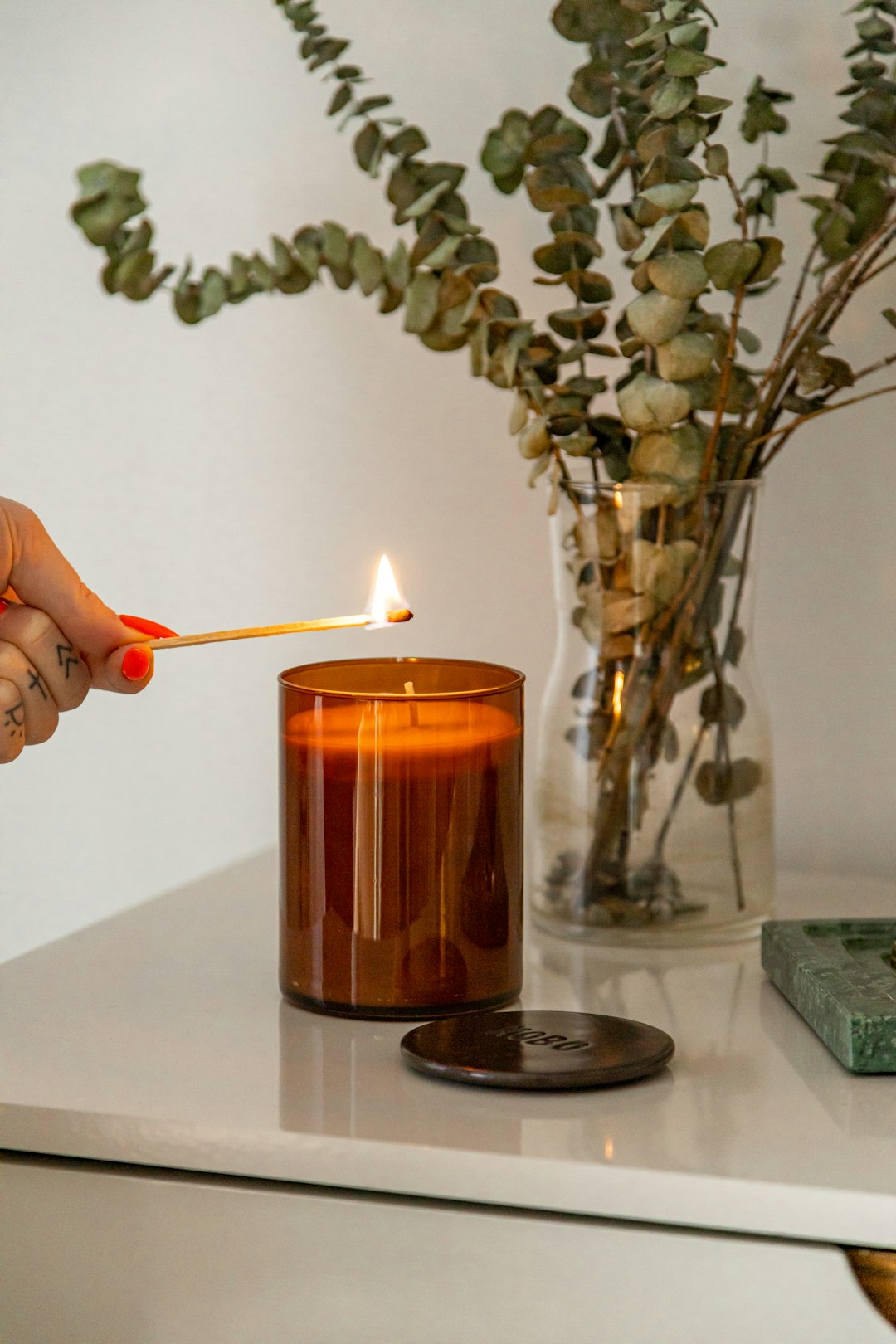
Let's be honest: candles are genuinely beautiful. The soft glow, the ritual of striking a match, the way a great fragrance fills a room on a quiet evening. There's a reason people have loved them for centuries, and if you're one of those people, you're in good company.
But if you've ever noticed that your favorite candle smells different once it's burning, or that the scent fades halfway through, or that you're going through them faster than you'd like, you've already bumped into the limitations.
This isn't about what's wrong with candles. It's about what happens when you find something that does the job even better.
What Candles Do Beautifully (and Where They Fall Short)
The ambiance is real
The visual warmth of a candle flame, the ritual of lighting one, the way it makes a space feel intentional and cozy. These are real and lovely things. A diffuser doesn't replicate that flicker of light, and that's worth acknowledging. For some people, that glow is half the appeal.
But the fragrance has some problems
Here's where things get interesting. When you're comparing candles vs diffusers, the fragrance itself tells a different story.
Heat distorts fragrance. Candles release scent through combustion, which breaks down fragrance compounds as they burn. What you smell in the cold throw (the unlit candle) is often quite different from the hot throw (the burning one). Cold air diffuser vs candle? The diffuser releases fragrance without any heat, preserving every note exactly as it was designed.
Inconsistent scent throw. Candles scent the immediate area around them well, but they struggle to fill larger or open-plan spaces consistently. The fragrance is concentrated near the flame and dissipates quickly further away.
Soot and particulates. Most paraffin candles, and even some soy candles, produce soot and combustion byproducts that deposit on walls, ceilings, and soft furnishings over time. Cold air diffusion produces none.
Burn time is limited. Even a high-quality candle is gone in 40 to 60 hours. A 100ml fragrance oil bottle used in a cold air diffuser can last 30 to 60 days, depending on usage.
Open flame risk. Candles require supervision and present a fire and tipping hazard, particularly in homes with children, pets, or both.

The Wax Melt, Reed Diffuser, and Plug-In Have Similar Problems
Wax melts
Wax melts avoid the flame issue but still use heat (via a warmer) to release fragrance, which means the same fragrance distortion problem applies. They're also single-use and generate significant wax waste over time.
Reed diffusers
Reed diffusers are subtle and flame-free, but their scent throw is very limited. They're typically suitable only for very small spaces like bathrooms or entryways, and they can't be adjusted or turned off.
Plug-in fresheners
Plug-ins are convenient but use heat or chemical propellants to release scent. They often contain synthetic compounds, cover limited square footage, and aren't designed to use premium, IFRA-compliant fragrance oils. The quality ceiling is low.
What Cold Air Diffusion Actually Does Differently
Here's why so many people are asking, "Is a diffuser better than candles?" and finding their answer.
Cold-air diffusers:
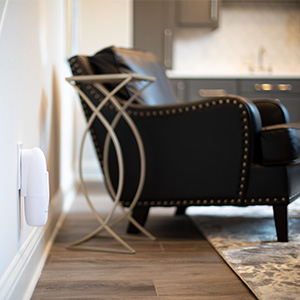
Use filtered cold air (no heat, no water, no combustion) to convert pure fragrance oil into an ultra-fine dry micro-mist. The fragrance is released exactly as it was crafted: every note preserved, the full complexity of the oil intact.
Disperse evenly throughout large spaces (300 to 2,000 sq ft depending on the diffuser model) rather than concentrating near a single source.
Can be scheduled, adjusted, and turned off remotely via an app, so fragrance works around your life, not the other way around.
Leave no residue on walls, fabrics, or furniture. No flame, no heat, no soot, no wax waste. If you're looking for home scenting without candles, this is the method that actually delivers.
The Cost Question (Is It Actually More Expensive?)
Let's talk numbers. A quality candle typically costs $20 to $40 for 40 to 60 hours of burn time. A 100ml Potion & Twig fragrance oil costs $24.95 and lasts 30 to 60 days of regular use.
The diffuser itself is a one-time investment, but when compared to the ongoing cost of replacing candles, most users find the system pays for itself within a few months. Potion & Twig also offers a subscription option that reduces the per-bottle cost further, making the long-term economics even more favorable.
The upfront diffuser cost is real, but the ongoing cost of premium fragrance is often lower than a serious candle habit.
Three Potion & Twig Scents That Will Feel Instantly Familiar to Candle Lovers
Blue Lava (For the Fan of That Iconic Tropical Candle)
Sweet tropical fruits and lively mountain greens. Blue Lava is complex blend that will feel immediately familiar to anyone who has loved that iconic "Volcano" scent from a popular candle brand.
This is one of the most beloved fragrance profiles in home scenting, and in a cold air diffuser, it fills the entire room rather than the space around a jar. It smells exactly like the oil rather than a heat-altered version of it. A perfect entry point for any candle lover switching to diffuser systems.
Palo Santo & Smoke (Deep, Atmospheric, and Flame-Free)
The grounding, earthy richness of palo santo wood with hints of smoke. Our Palo Santo & Smoke fragrance is deeply atmospheric, restorative, and complex in the way that only the best candle scents usually manage to be.
You don't need a flame to get the deep, moody, ritual-feeling fragrance that candle lovers crave. Cold air diffusion delivers it purely, consistently, and without the soot. Ideal for evenings, quiet moments, and anyone who misses the atmospheric depth of their favorite candle but not its limitations.
Luxe Garden (Elevated Quality You Won't Find in a Mass-Market Candle)
Sandalwood, warm cedar, soft florals, leather, and amber. Luxe Garden is inspired by the signature scent of 1 Hotel®, part of Potion & Twig's Hotel Collection.
This level of fragrance complexity and quality (inspired by luxury hotel scenting and crafted with IFRA-compliant, phthalate-free ingredients) simply isn't available in mass-market candle form. It's the kind of scent that makes a room feel different, not just smell different. For candle lovers who have always wanted something more refined, this is the answer.
What You Keep (and What You Leave Behind)
When you're trying to decide whether or not to switch from candles to a diffuser, here's the honest summary.
With a cold-air diffuser:
You keep: beautiful fragrance, intentional home atmosphere, the ritual of choosing and enjoying a scent.
You leave behind: the open flame, the soot, the inconsistent throw, the heat-distorted fragrance, and the ongoing cost of replacing candles.
Some people will always love candles, and that's completely fine. But for those who care most about fragrance quality, consistency, and safety, cold air diffusion is simply the better tool.
We'd love for you to explore the Potion & Twig fragrance collection at potionandtwig.com. The Spire Starter Pack is the ideal way to try the difference: one complete kit, everything included, ready to compare side by side with your current candle setup.
The candle era was good. What comes next is better.