Unlocking the Secrets of Fragrance Oils: Five of Your Questions Answered
You've probably wondered why your fragrance oil diffuser doesn't fill the room with scent like you expect. Maybe you're unsure if fragrance oils work the same as essential oils or how long your diffuser will last. Sorting out these questions can feel confusing. Let's clear up the most common doubts about diffuser oil, fragrance oil, and how to get the best home fragrance from your oil diffuser.
Can You Use Fragrance Oils in a Diffuser?
Yes, you can use fragrance oils in many diffusers, but it's important to know your specific diffuser type:
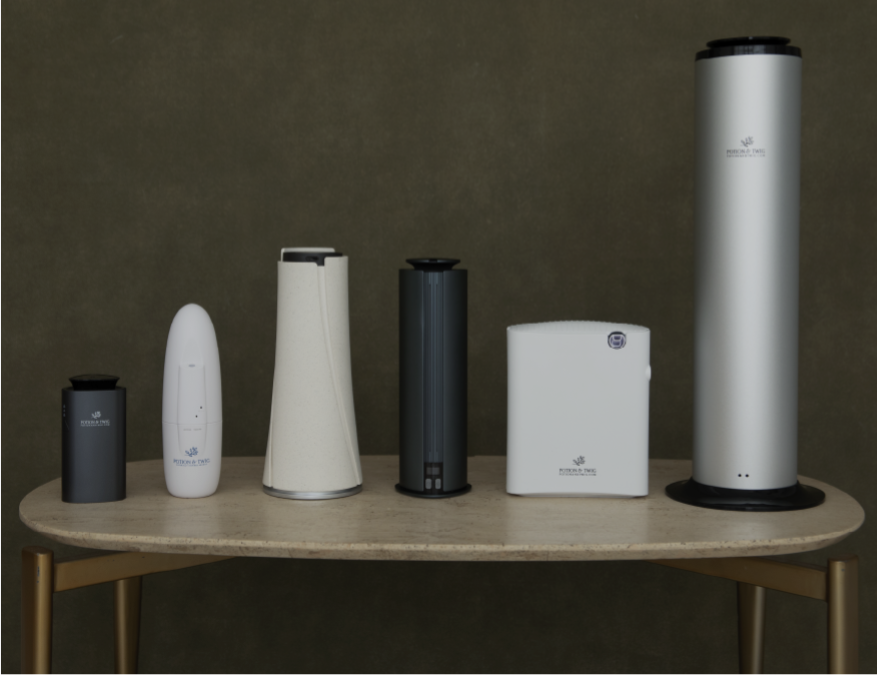
Ultrasonic diffusers (the most common kind that use water and create a cool mist) can generally handle both fragrance oils and essential oils.
Water-based diffusers mix a few drops of oil with water before dispersing the scent. This makes them flexible for different oil types.
Nebulizing diffusers, which work without water and disperse pure oil, are typically designed for essential oils only and might get clogged with thicker fragrance oils.
Cold-air diffusers, the ones we offer at Potion & Twig, use no heat or water, but rather pressurize the fragrance oil bottle and force the oil through an atomizer that causes it to break into super small micro-mist.
Always check your diffuser's instruction manual for guidance. Some manufacturers specifically state which oils work best with their products. Using the wrong oil type could be unsafe, damage your diffuser, or void its warranty.
Fragrance oils often cost less than essential oils and come in a wider variety of scents. Many people find them perfect for home fragrance when they just want a pleasant smell rather than aromatherapy benefits.
How Can You Make a Diffuser Smell Stronger?
If your diffuser seems weak, try these simple fixes:
Clean your diffuser regularly. Buildup can block the mist output and reduce scent strength. Follow the cleaning instructions for your specific model.
For water-based diffusers, add 5–10 drops for a standard room and adjust as needed. For cold-air diffusers, increase the scent level or extend diffusion time (or reduce pause time) in your device settings to strengthen the fragrance.
Place your diffuser correctly. Position it away from open windows, doors, or air vents that might disperse the scent too quickly.
Move the diffuser around to find the best airflow in your space.
Choose stronger scents. Citrus, mint, and spice oils typically produce more noticeable fragrances than lighter floral scents.
Use quality oils. Higher-quality oils generally have better scent throw and longevity.
Close doors and windows when diffusing to keep the fragrance contained in the room.
Remember that our noses adapt to smells quickly (called "nose blindness"), so you might stop noticing a scent that visitors can still detect.
How Long Do Oil Diffusers Last?
For the device itself, a quality oil diffuser can last for years with proper care. Factors affecting lifespan include:
Usage frequency
Maintenance and cleaning
Water quality (hard water leaves more mineral deposits) - Non-issue for Cold-Air Diffusers.
Oil quality (some oils can cause buildup faster)
The diffuser's build quality
Can You Put THC Oil in a Diffuser?
This is not recommended for several reasons:
First, THC oil is designed for consumption or topical use, not for diffusing into the air. The chemical makeup and carriers in THC oil aren't meant for heat diffusion.
Second, diffusing THC oil would be wasteful and likely ineffective. THC needs to enter the bloodstream directly to create effects, which doesn't happen efficiently through air diffusion.
Third, this raises legal concerns. Even in places where cannabis is legal, diffusing THC in shared spaces could expose others without consent.
Fourth, it could damage your diffuser, as THC oils are typically thicker and contain different compounds than oils designed for diffusion.
For those seeking cannabis-inspired home fragrance, some companies make hemp-scented fragrance oils (without THC) specifically designed for diffusers.
Is Diffuser Oil the Same as Essential Oil?
No, they're not the same, though the terms are sometimes used interchangeably.

Essential oils are natural plant extracts obtained through distillation or cold pressing. They contain the plant's pure essence and natural compounds. They're more expensive because they're concentrated and require large amounts of plant material to produce.
Essential oils have long been associated with aromatherapy, a practice that uses aromatic compounds to influence mood, relaxation, and overall atmosphere. Unlike fragrance oils, essential oils contain naturally occurring compounds from plants and are often chosen for their traditional uses as well as their scent.
👉 https://en.wikipedia.org/wiki/Aromatherapy
Diffuser oil (often called fragrance oil) is typically synthetic or a blend of synthetic and natural ingredients created to mimic scents. These oils:
Are less expensive
Come in a wider variety of scents (including scents impossible to extract naturally)
Last longer in some cases
Have more consistent scent profiles
Might contain chemicals that some people prefer to avoid
Some diffuser oils are labeled "fragrance oils," while others might be called "diffuser blends" or "aroma oils." The key difference is whether they're 100% natural plant extracts (essential oils) or contain synthetic components (fragrance/diffuser oils).
While essential oils are often associated with aromatherapy benefits, reputable medical sources note that scientific evidence remains mixed, and effects can vary from person to person. For many people, the primary benefit of diffusing oils is simply enjoying a pleasant home fragrance rather than seeking therapeutic or medical outcomes. Learn more here.
Final Thoughts on Diffuser Oils
Understanding the differences between oil types helps you make better choices for your home fragrance needs. Whether you prefer natural essential oils or versatile fragrance oils, proper use, diffuser care, and placement will give you the best scent experience.
Choosing the right diffuser can transform your home atmosphere. Keep in mind that essential oils are meant to be mixed with water in ultrasonic diffusers. Fragrance oils are made to be used with cold-air micro mist diffusers and to cover large spaces. Start with high-quality oils, follow the manufacturer's guidelines, and experiment with different scents to find what works best in your space.