Scent Therapy for Dementia: Creating Calmer, Supportive Home Environments
You've likely noticed how small changes in the home can make a big difference for someone living with dementia. One gentle approach many caregivers find helpful involves scent therapy for dementia, using familiar, calming smells to support daily routines.
Research shows that olfactory stimulation can play a meaningful role in dementia care. In fact, dementia affects memory, orientation, mood, and behavior in beautifully complex, deeply individual ways. However, what brings comfort to one person might not resonate with another, and that's perfectly okay.
This post will share thoughtful ideas on how scent can contribute to a more soothing environment—helping your loved one feel calmer around sleep, meals, and quiet moments.
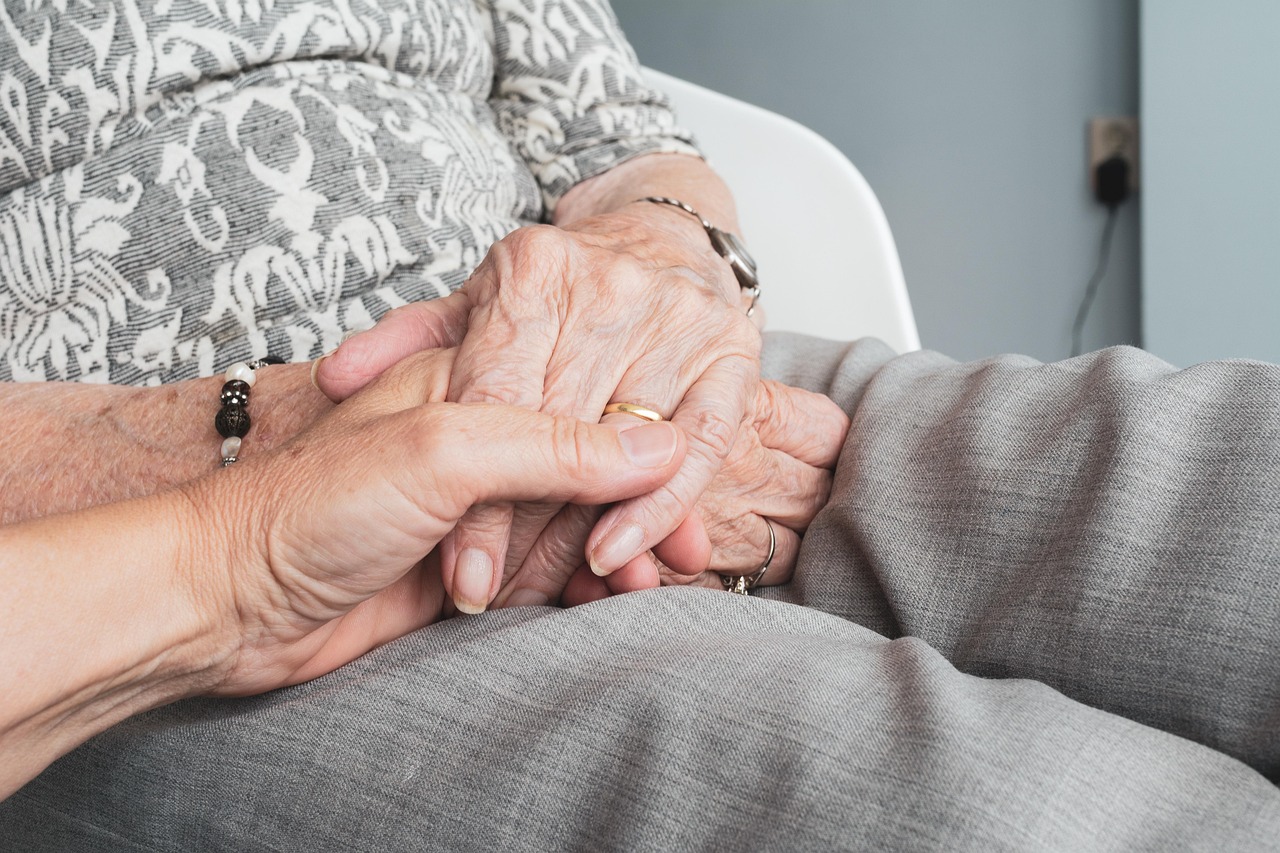
A Gentle Note Before We Begin
We want to be clear from the start: this article is for general informational purposes only and is not medical advice. Always speak with your loved one's healthcare team before changing their care routine.
Scent can be thought of as one small, tender tool in a larger care plan. It won't treat, cure, or reverse dementia, but many caregivers find that it can gently support the environment you're creating at home.
Our purpose here is simply to offer kind, non-invasive ideas for making your shared space feel a little calmer, safer, and more comforting for everyone.
How Scent Interacts with Memory, Emotion, and Routine
There's something almost magical about the way scent connects directly to the parts of our brain involved in emotion and memory. For people living with dementia, certain familiar smells can feel grounding, like a soft hand on the shoulder. Predictable scents tied to daily routines may help signal "it's time to wind down," "it's time to eat," or simply "this is a safe, familiar place."
Think of scent as a gentle whisper rather than a shout. The goal isn't to fix symptoms, but to soften the environment and build quiet cues that feel reassuring. Responses will always be personal, so what matters most is watching, listening, and adjusting as you go.
Supporting Better Evenings and Sleep with Gentle Scent Cues
Evenings can sometimes bring restlessness or what's often called "sundowning", when confusion or agitation increases as the day fades. Creating a consistent, calming wind-down routine can make a real difference, and scent can be a helpful part of that rhythm.
Soft, spa-like fragrances used at the same time each evening may help signal that the day is ending.
Consider scents like:
Retreat, which feels like a serene, open-window morning but can just as easily become a peaceful evening companion.
Calm Waters, which brings gentle ocean mist and driftwood, soothing without being heavy.
Spa Day is wonderfully balanced for bath time and bedtime routines.
And White Tea & Sandalwood wraps bedrooms in that hotel-style calm we all crave.
Here's a simple evening ritual you might try: about 60 to 90 minutes before bedtime, lower the lights and turn on your diffuser at a low setting with your chosen calming scent.
Engage in consistent, low-stimulation activities like gentle music, looking through familiar photo albums, or quiet conversation. Keep this routine similar each night so the scent and actions become familiar, comforting cues. And always watch for signs of discomfort or overstimulation, adjusting or pausing whenever needed.
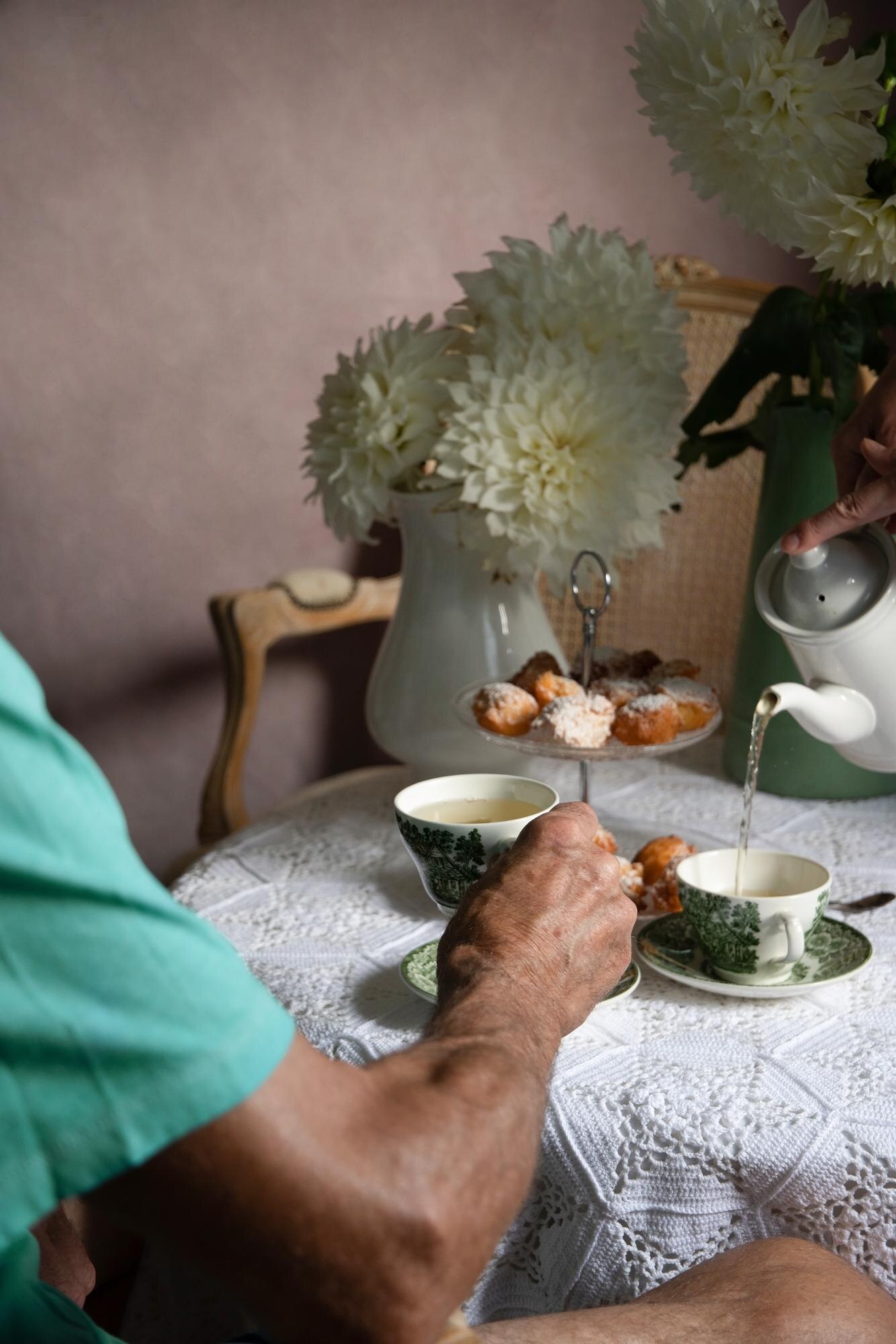
Supporting Appetite and Mealtime with Thoughtful Scents
Appetite and eating can become challenging in dementia for many reasons, from medical to sensory to emotional. Scent won't fix underlying issues, but it may help make the mealtime environment more pleasant and offer gentle cues that "it's time to gather and eat."
Consider using very light, fresh scents in dining areas before meals. Soft citrus or clean fragrances work beautifully here. You'll want to avoid anything too strong or clashing that might overwhelm or confuse. A subtle fresh scent in adjacent spaces, like Just Cleaned or Linen, can convey a sense of order and freshness without competing with the meal itself.
Try turning on your diffuser at a low setting about 15 to 30 minutes before the meal, then turn it down or off during eating if scents seem distracting. Keep things lighter rather than stronger, and always monitor how your loved one responds. These supportive scent practices are all about gentle encouragement, not force.
Familiar Scents as Anchors in a Changing World
As cognition changes, predictable patterns can feel like a warm blanket. Using the same gentle scent in a favorite chair corner, a bedroom, or a quiet reading area can help create a sense of "this is my spot" or "this is home." Consider keeping things simple with just one or two core scents to avoid confusion. Familiarity often feels safer than novelty.
You might choose Retreat or Calm Waters for a living area where your loved one spends time, or Spa Day in the bathroom for bathing routines. Use them consistently in the same spaces at similar times of day.
This kind of gentle repetition is one of the most effective dementia care strategies you can weave into your daily life.
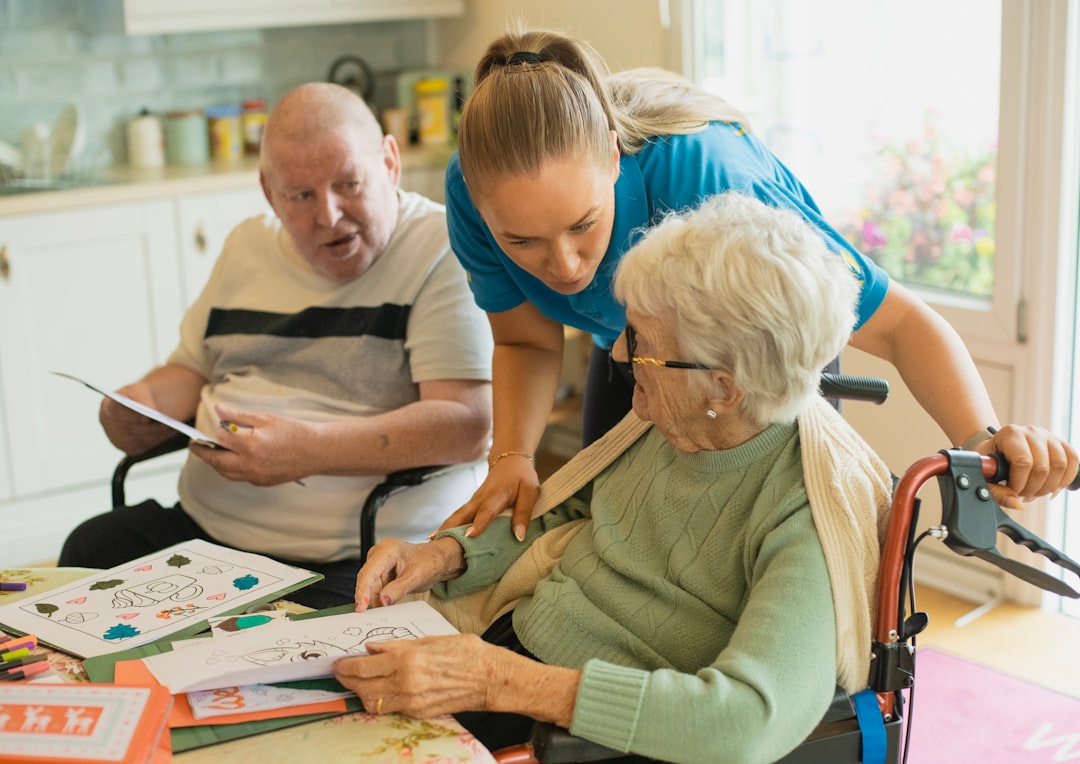
Scent Can Also Help Caregivers Breathe and Reset
Let's talk about you for a moment.
Caring for someone with dementia is one of the most emotionally and physically demanding things you can do. Scent can offer you small moments of calm and grounding too. These calming scents for caregivers aren't just a luxury; they're a necessary pause.
After a difficult moment, step into a room with a calming scent like Spa Day, Calm Waters, or White Tea & Sandalwood. Take a few slow, deep breaths. Consider giving yourself a personal micro-ritual: turning on a diffuser in your bedroom at night as a gentle exhale at the end of the day.
This environmental support for dementia care is for both of you.
Using Fragrance Safely and Kindly in Dementia Care
Safety and sensitivity matter deeply. Always use scents in moderation, especially at first. Watch for signs of discomfort like frowning, agitation, coughing, or restlessness. Be mindful of any respiratory issues or allergies. Opt for gentle, not sharp or heavily perfumed blends, and choose cold-air diffusion over open flames or strong aerosols.
Potion & Twig fragrances are designed for home-appropriate concentrations when used with diffusers. Cold-air diffusion means no heat, no open flame, and no smoke - just soft, adjustable scent that you can control.
And please, always align any changes with the advice of your loved one's healthcare providers.
Small, Scented Moments of Comfort in Dementia Care
You're doing something hard and important. Small environmental changes, like introducing gentle scent, are acts of care, not cure. Scent therapy for dementia can't reverse the condition, but it may help make routines around sleep, meals, and quiet time more soothing. It can create familiar anchors in the home and offer small, sensory comforts on the hardest days.
Potion & Twig is here to help you create calm, consistent scent environments with adjustable intensity, spaces that feel more like refuge for both your loved one and you.
So we'll leave you with this gentle question: If one corner of your home could feel just a little more peaceful and familiar for your loved one, and a little more supportive for you, where would you start, and what would you want that moment to smell like?