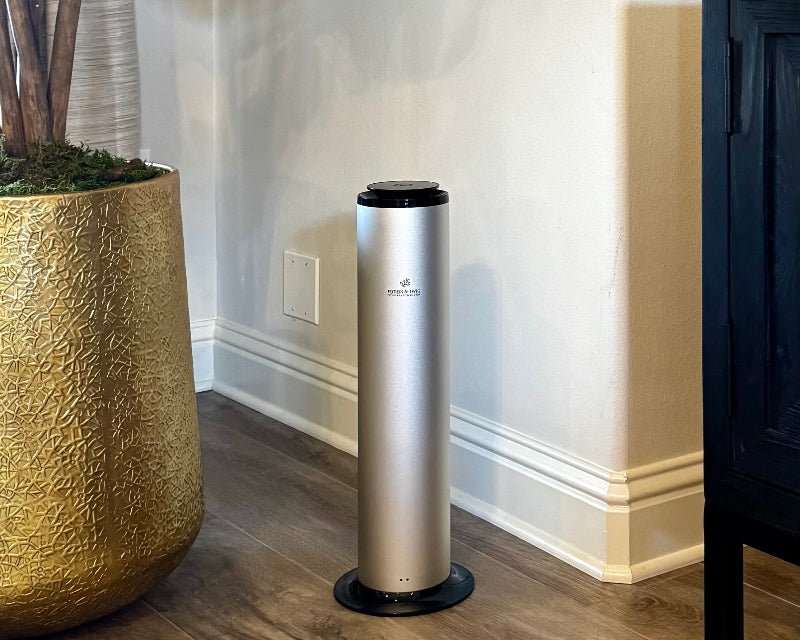
Essential Oils vs. Diffuser Oils: Unraveling the Mystery and Making the Right Choice for Your Home
Most people mix up essential oils and diffuser oils without realizing how different they actually are. This confusion can lead to disappointing results when using your diffuser.
Understanding the key differences between essential oil and fragrance oil helps you pick the right scent and keeps your diffuser working smoothly.
Keep reading to learn what sets these oils apart and how to choose the best option for your home fragrance needs.

Understanding Essential Oils
Essential oils come straight from nature's garden. They're pure plant extracts that capture the true essence of flowers, herbs, and trees in concentrated form. When you open a bottle of pure essential oil, you're getting the real deal - nothing added, nothing taken away.
Extraction Methods Explained
The way essential oils are made plays a big role in their quality and price. Steam distillation stands as the most common method, where plant materials meet hot steam, releasing their precious oils.
For citrus peels like orange and lemon, cold-pressing works best. This process squeezes the oils directly from the rinds, keeping their bright scents intact. The fresh smell of an orange when you peel it? That's exactly what cold-pressed oils capture.
Some delicate flowers like jasmine can't handle the heat of steam. Instead, they go through solvent extraction or CO2 extraction. These methods pull out the fragrant compounds without damaging them.
The result of all these careful methods? Pure plant power in a tiny bottle. True essential oils contain no fillers, synthetics, or extra ingredients - just what nature created.
Common Uses and Benefits
Mood-Lifting: Many people turn to these plant extracts for their mood-lifting powers. Lavender might help you unwind after a long day, while peppermint could perk you up when afternoon drowsiness hits.
Authenticity: The scent profiles of essential oils stay true to their plant sources. Rose oil smells exactly like the flower, and eucalyptus brings the same clear, sharp scent as the leaves. This authenticity means you get the real plant experience, not just something that smells "rose-like" or "eucalyptus-inspired."
Aromatherapy: Essential oils aren't just about nice smells. The compounds in these oils - like linalool in lavender or limonene in citrus - give each oil its unique properties that go beyond fragrance alone, enhancing other benefits such as aromatherapy. For example, fragrance oils are used in aromatherapy to achieve specific physiological effects, such as a lavender scent—natural or synthetic—triggering a relaxation response.

Exploring Diffuser Oils
Diffuser oils (often called fragrance oils) take a different approach to scent. Created with both natural and lab-made ingredients, these oils focus on crafting perfect aromas that last longer in your home. Think of them as the perfumers of the fragrance oil world.
Composition and Scent Design
Diffuser oils blend different scent components to create specific moods and experiences. Unlike their essential oil cousins, these oils often contain carrier oils that help them work better in diffusers without clogging the mechanisms.
The magic of diffuser oils lies in their careful design. Scent experts build these fragrances with top notes (what you smell first), middle notes (the heart of the scent), and base notes (the lasting impression). This layered approach means your "Ocean Breeze" diffuser oil might open with fresh citrus, develop into floral middle notes, and leave a soft musk that lingers for hours.
Many popular scents simply can't exist as essential oils. "Fresh Linen," "Warm Cookie," or "Summer Rain" don't come from plants you can distill. Diffuser oils fill this gap, creating complex scents that mimic experiences rather than plants.
The best home fragrance oils often combine both natural and synthetic components. This hybrid approach allows for consistent scents that perform reliably in your diffuser time after time.
Quality and Variety Insights
Pure essential oils vary in quality, which influence how the experts at Potion & Twig develop our fragrances. "Our commitment to our customers is that we always choose the highest quality ingredients available," says Bryant Wilson, CEO.
The variety available in diffuser oils far exceeds what nature can provide. Walk into any home fragrance store, and you'll find hundreds of options - from "Christmas Morning" to "Beach Vacation" - scents that capture moments and places rather than just plants.
Many brands now offer seasonal collections, allowing you to change your home's atmosphere with the calendar. This variety lets you match scents to moods, occasions, or even the weather outside - something the limited palette of essential oils can't match.
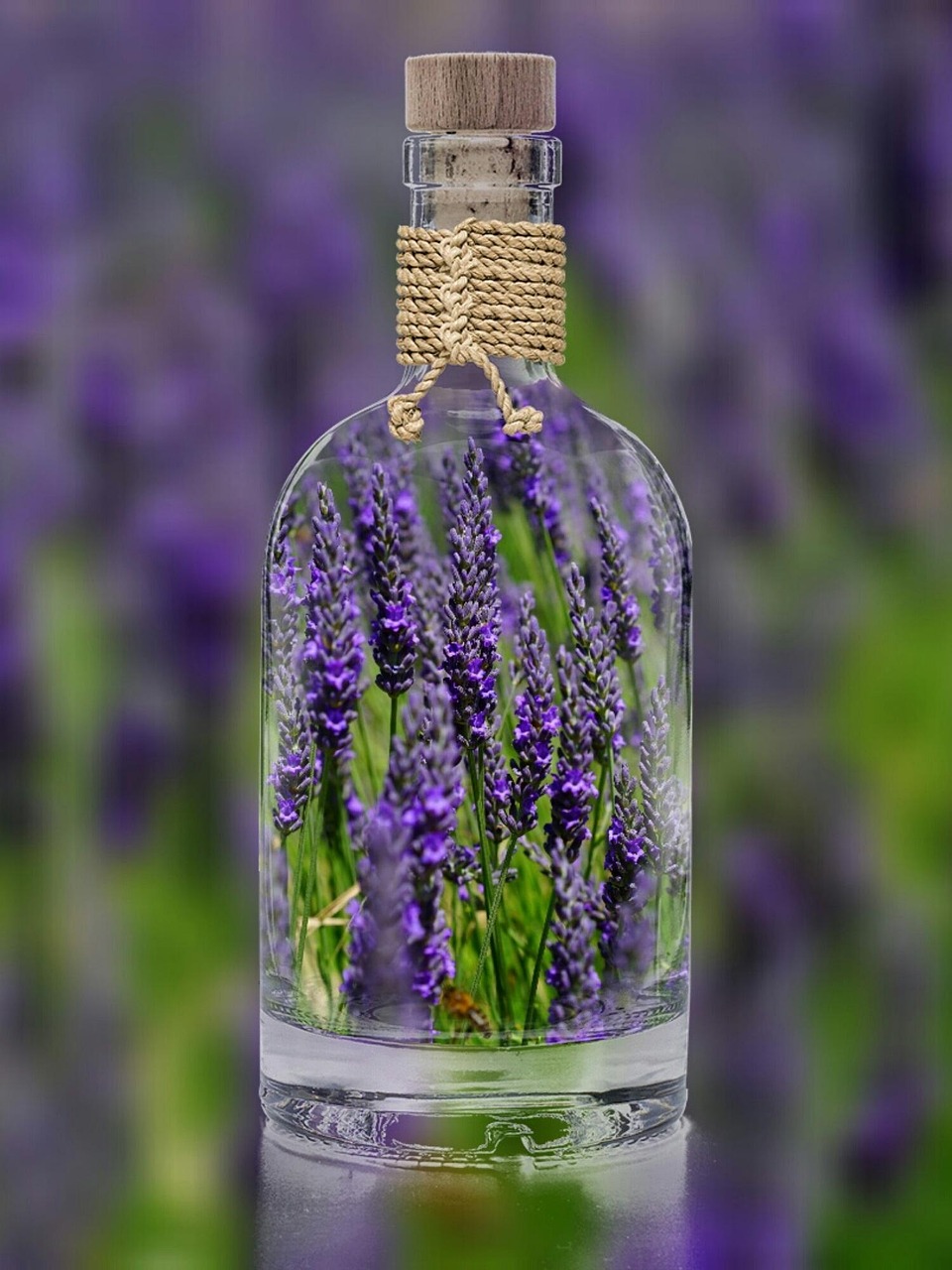
Choosing the Right Oil
Picking between essential oils and diffuser oils comes down to what matters most to you. Both have their sweet spots, and knowing your priorities makes all the difference in your scent experience.
Matching Oils to Your Needs
Are you looking for pure plant power or a specific scent experience? This simple question points you toward the right choice.
For those drawn to natural wellness, essential oils make sense. If you're seeking the calming effects of true lavender or the focusing qualities of real peppermint, pure essential oils deliver the plant compounds in their natural balance. These oils work best when the specific plant properties matter to you.
If you're more interested in how your home smells, diffuser oils win out every time. Want your living room to smell like a cozy cabin with notes of pine, smoke, and vanilla? A well-crafted diffuser oil can create this complex scent story better than any single essential oil.
Your diffuser type also matters in this choice. Ultrasonic diffusers use water with a few droplets of oil in the water. This is the primary way to use essential oils. Essential oils cannot be used with waterless diffusers, also known as cold air diffusers. Cold air diffusers use fragrance oils exclusively as this method of diffusion is unsafe for pure essential oils.
Safety and Budget Considerations
When it comes to safety, both oil types require some care. Essential oils are highly concentrated plant compounds and can only be diffused with water diffusers. Always dilute them properly and keep them out of reach of pets that may be sensitive to certain plant oils.
Are diffuser oils safe? Most are designed for home use and tested for safety, but quality varies by brand. Look for reputable companies that meet IFRA (International Fragrance Association) standards, and avoid oils containing phthalates or other questionable chemicals.
Your budget plays a big role in this decision, too. For everyday home scenting, diffuser oils stretch your dollar much further. Essential oils cost more upfront and get used up faster.
The best approach for many people? A mixed strategy. Keep a few key essential oils on hand for their specific properties, and use quality diffuser oils for general home fragrance. This balanced approach gives you the best of both worlds without breaking the bank.
Remember that less is more with both oil types and adjust based on your space and preferences. Even the best oils can feel overwhelming if overused.
The Right Choice
The right choice ultimately comes down to your personal values. Do you prioritize natural purity, complex scent experiences, budget-friendliness, or something else entirely? There's no wrong answer - just the best match for your home and lifestyle.