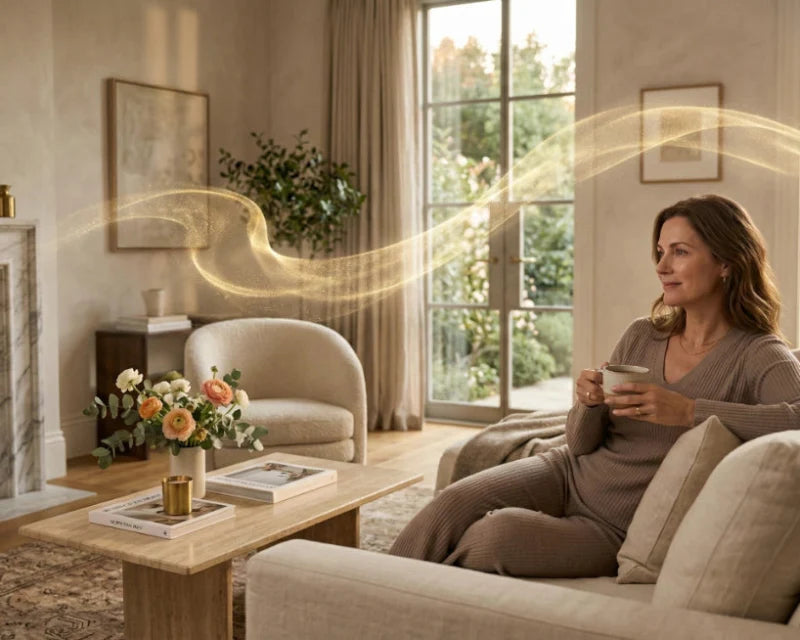
The Subtle Art of Scent: Elevating Real Estate Showings with Fragrance
First impressions in real estate hinge on more than just visuals. The subtle power of scent quietly influences how buyers feel and remember a home. Understanding scent marketing in real estate can give you an edge by creating emotional connections that help homes sell faster.
Let's explore how scent shapes buyer perception and how you can use it thoughtfully during showings and open houses.

The Psychology of Scent in Buying Decisions
The Memory-Emotion Connection
Our sense of smell has a direct pathway to the brain's limbic system, which governs emotions and memories. When potential buyers walk into a home, the scent they encounter creates an immediate, subconscious reaction. This reaction can trigger positive associations or, unfortunately, negative ones.
Creating Lifestyle Associations
Scent works as a powerful tool for suggesting a certain lifestyle. A light, fresh scent might convey cleanliness and care, while warm, homey fragrances can make a space feel lived-in and comfortable. Buyers don't just purchase a structure; they buy into the life they imagine living there.

Why Scent Matters During Showings
-
Supporting Visual Presentation: While staging addresses what buyers see, scent addresses what they feel. The right fragrance complements visual staging by reinforcing the atmosphere you're trying to create. A beautifully staged beach house feels more authentic with subtle hints of clean linen or light sea breeze notes.
-
Creating "Move-In Ready" Perception: Homes that smell fresh and pleasant give the impression of being well-maintained. This subtle signal tells buyers they won't need to deep clean before moving in, removing one potential objection from their mental list.
-
Avoiding Odor Distractions: Even minor odors can break a buyer's concentration and pull them out of imagining themselves in the space. Pet odors, cooking smells, or mustiness can become the only thing a buyer remembers about an otherwise perfect property.

Best Types of Scents for Real Estate Marketing
Clean, Neutral Fragrances
The safest choices for most properties are clean, neutral scents that appeal broadly:
-
Light citrus notes (lemon, orange)
-
Soft linen or cotton fragrances
-
Mild herbal scents like lavender or sage
-
Subtle woodsy notes like cedar
Matching Scent to Property Style
Consider aligning scent with the property's character:
-
Contemporary homes: Clean, minimal scents like cotton or light citrus
-
Traditional homes: Warm vanilla or light cinnamon
-
Luxury properties: Subtle sandalwood or light white tea
Scents to Avoid
Steer clear of:
-
Overpowering floral scents
-
Strong food smells, especially garlic or fish
-
Heavy seasonal fragrances (like pumpkin spice or pine)
-
Artificial or chemical-smelling air fresheners

How to Use Scent Strategically
Subtle Diffusion Techniques
The goal is for scent to be noticed without being identified as an intentional marketing tactic:
-
Diffusers provide consistent, subtle fragrance
-
Electric warmers with low settings for controlled intensity
-
Natural methods like simmering citrus peels or vanilla
Proper Placement and Timing
-
Place scent sources away from main walkways
-
Set up diffusers 1-2 hours before showings
-
Consider different scents for different areas (fresh scents in kitchens and bathrooms, warmer scents in living areas)
Matching Intensity to Space
-
Larger homes need more diffusion points
-
High-ceilinged spaces require stronger scents
-
Small spaces need very minimal fragrance
Common Mistakes to Avoid
Fragrance Overload: The most frequent error is using too much scent. When buyers notice the fragrance before anything else, it can raise suspicions about what you might be trying to mask.
Choosing Divisive Scents: Highly specific scents like strong florals or spices can be polarizing. What appeals to you might actively repel certain buyers.
Relying on Short-Term Solutions: Sprays and plug-ins often create an artificial burst of fragrance that fades quickly and can seem obviously artificial.
Ethical and Practical Considerations
Respecting Sensitivities
Many people have allergies or sensitivities to fragrances. Always:
-
Use hypoallergenic options when possible
-
Keep fragrance subtle and natural
-
Have a scent-free backup plan if needed
Supporting, Not Manipulating
The goal is to enhance the natural qualities of a home, not to trick buyers into overlooking problems. Scent should support honest marketing, not replace proper preparation.

Integrating Scent Into Your Marketing Strategy
Consistency Across Marketing Touchpoints
For maximum impact, consider how scent fits with your broader marketing approach:
-
Use similar scent profiles across properties you represent
-
Consider how scent complements your visual staging
-
Think about the overall sensory experience, including lighting and sound
Gathering Feedback
Pay attention to how buyers respond to different scents:
-
Notice which properties get positive comments about feeling "clean" or "homey"
-
Ask trusted colleagues for honest feedback about scent choices
-
Be willing to adjust based on market response
The thoughtful use of scent in real estate isn't about masking problems or creating false impressions. It's about completing the sensory picture for buyers and helping them connect emotionally with a space. When done with care and restraint, home staging with scent can be the subtle detail that makes your listing memorable in a competitive market.
Remember that the goal is a gentle, positive impression—one that buyers might not consciously notice but that helps them feel at home the moment they walk through the door.