How to Get Rid of Unwanted Cooking Smells in Your Home
Cooking smells can settle in your home long after the meal is done, turning your cozy kitchen into a lingering reminder of last night's dinner.
But you don't have to live with that stubborn odor or mask it with harsh sprays. This guide will show you how to get rid of cooking smells, remove food odors from your home, and neutralize kitchen odors with simple steps that fit your routine.
Plus, you'll learn how cold-air diffusers for home fragrance can keep your kitchen smelling fresh without overwhelming the space.

Why Cooking Smells Linger In the First Place
Ever wonder why certain aromas stick around while others fade away? It's all about science. When you cook, tiny oil particles and steam carry food smells throughout your home, settling into fabrics, carpets, and other soft surfaces. Poor ventilation traps these particles inside, giving them nowhere to go but deeper into your living spaces.
Some ingredients are natural troublemakers. Garlic, onions, fish, and fried foods contain sulfur compounds that create particularly stubborn odors. But don't worry - this happens in every home where good food is made. With a few smart habits, you can enjoy your favorite meals without living with the aftermath.
Step One: Prevent Odors While You Cook
Ventilation is your first line of defense
Your range hood exists for a reason! Turn it on before you start cooking and leave it running for 10-15 minutes after you finish. If your hood isn't powerful or just recirculates air, open windows or doors to create cross-ventilation. For apartment dwellers with limited options, position a small fan near the kitchen window to push air outward rather than deeper into your home.
Smart cooking habits
Small adjustments to your cooking routine can make a big difference:
Keep pot lids on whenever possible to trap steam and splatters
Use splatter screens when frying to contain oil particles
Schedule strongly scented meals (like fish or curry) earlier in the day when you can air out the kitchen afterward
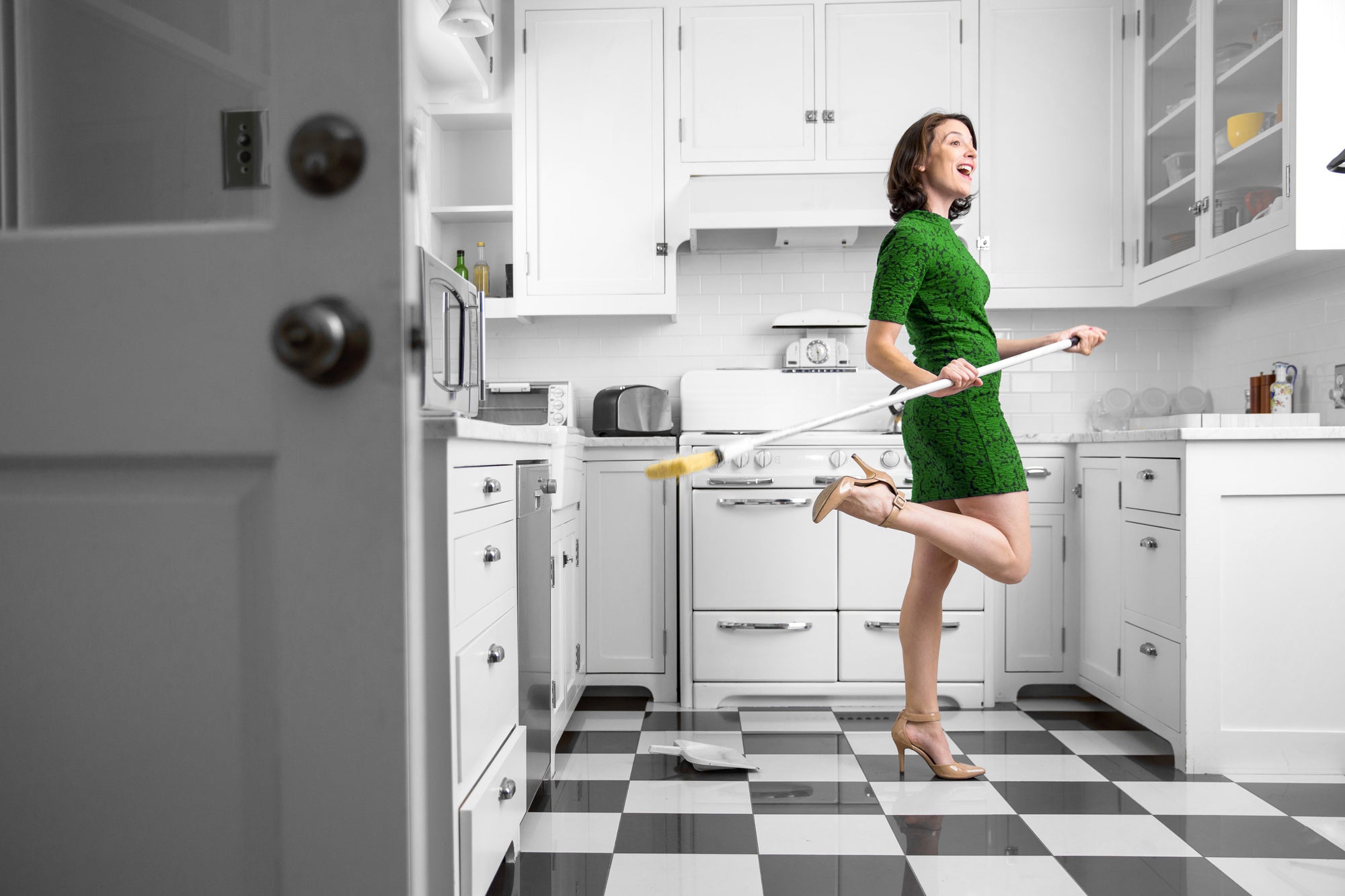
Step Two: Clean Up the Source Fast
Clear the evidence right after cooking
The quicker you clean, the less time odors have to settle:
Soak pots, pans, and utensils immediately after use
Wipe down stovetops, counters, and backsplashes to remove oil residue
Take out trash containing food scraps, packaging, and peels
Target the hidden smell-holders
Don't forget these sneaky odor-trappers:
Pour baking soda and hot water down sink drains
Wipe cabinet fronts, handles, and drawer pulls near cooking areas
Wash dish towels and cloths that absorbed cooking smells
Step Three: Neutralize Odors in the Air
Simple kitchen science
Your pantry holds natural odor fighters:
Simmer a pot of water with lemon slices, cinnamon sticks, or whole cloves
Place small bowls of baking soda or white vinegar in kitchen corners to absorb lingering smells
These methods actually neutralize odors rather than just masking them with another scent.
Use your oven and stovetop wisely
Create pleasant transitional aromas:
Bake a tray of citrus slices with a splash of vanilla for 20-30 minutes
Lightly toast whole spices like cinnamon, cloves, or star anise to shift from cooking smells to warmer, more pleasant scents
Step Four: Refresh Soft Surfaces
Fabrics are smell magnets
Your textiles hold onto cooking odors long after the meal is over:
Open windows to air out curtains, rugs, and upholstery
Wash kitchen textiles like dish towels, table linens, and aprons regularly
Remove and launder cushion covers from nearby seating areas
Light, fabric-safe refreshers
For fabrics that can't be easily washed:
Use a gentle fabric spray on curtains after testing on a hidden spot
Run an air purifier in or near the kitchen to capture airborne particles

Step Five: Re-Scent Your Space Gently
From neutral to inviting
Once you've neutralized cooking odors, it's time to add back pleasant scents. Potion & Twig cold-air diffusers offer a sophisticated solution that doesn't feel like a cover-up. These systems use filtered air to transform fragrance oil into a fine, dry mist without heat or aerosols, preserving the true character of each scent.
Why cold-air diffusion works well after cooking
Cold-air diffusers like those from Potion & Twig provide:
Gentle, consistent scent that feels natural, not chemical
Adjustable intensity so you can set it stronger after cooking and lighter for everyday use
Thoughtful fragrance that works with your home, not against it
For post-cooking freshness, try citrus or clean linen scents to reset your space, or soft woods and mild spices for evening coziness.
Long-Term Habits for a Fresher Kitchen
Create a maintenance routine to stay ahead of cooking odors:
Clean range hood filters monthly (they trap grease and odors)
Deep-clean your oven and microwave regularly
Empty kitchen trash, recycling, and compost consistently
Crack a window during cooking whenever weather permits
Adding a cold-air diffuser from Potion & Twig to your kitchen or nearby living area can be part of your "finishing touches" routine after cooking, maintaining a pleasant atmosphere throughout your home.
From Lingering Smells to a Home That Smells Inviting
With these simple strategies, you can cook anything you love without worrying about persistent odors. Start with prevention, clean thoroughly, neutralize what remains, refresh fabrics, and add back gentle, intentional fragrance.
Remember, a home that smells good is about more than just covering up cooking odors. It's about creating an atmosphere where memories can be made around good food, without reminders lingering in the air. With smart habits and quality home fragrance solutions like Potion & Twig's cold-air diffusers, you can have the best of both worlds: amazing meals and a fresh, welcoming home.