Car Diffusers vs Air Fresheners: How to Choose the Best Scent Solution for Your Ride
Car odors can linger long after your last drive, turning every trip into an unwelcome reminder. You want your vehicle fragrance to be fresh without feeling like a chemical overload. Choosing between a car diffuser and a traditional car air freshener isn't always simple—but understanding how each works can make that decision easier. Let's break down what sets these options apart and which one fits your car scenting needs best.
Understanding Car Diffusers
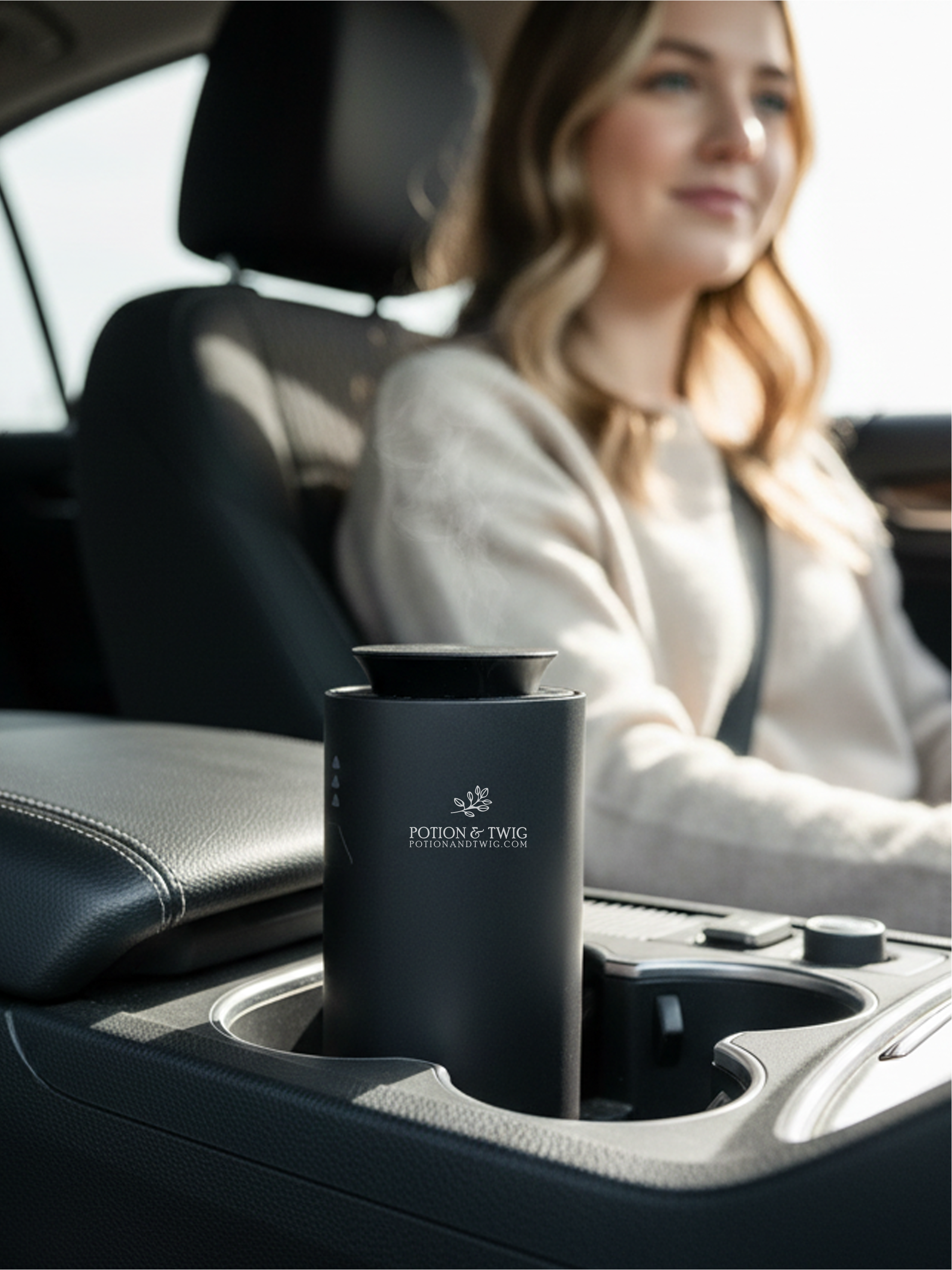
Car diffusers bring a new approach to freshening your vehicle's air, moving beyond the familiar scents of traditional options.
What Are Car Diffusers?
Car diffusers are compact devices that release fragrance through various methods like evaporation or ultrasonic technology. Unlike their hanging counterparts, these tools often connect to your vehicle's power system or air vents.
Most car diffusers use essential oils or special liquid formulas designed for vehicles. The best part? You can pick exactly what scent fills your car—from calming lavender to energizing citrus.
These devices come in several styles. Some clip onto vents, others plug into USB ports or cigarette lighters, and premium models might sit discreetly in cup holders. The common thread is their focus on releasing scent gradually rather than all at once.
How Do Car Diffusers Work?
The magic happens when your car diffuser transforms liquid fragrance into fine mist or vapor. This process varies by diffuser type, but the result is the same—gentle scent distribution throughout your vehicle.
Vent-clip diffusers use your car's airflow to spread scent. When you turn on your AC or heat, air passes through the diffuser, carrying fragrance molecules throughout your car. No air flow? No scent release—which helps conserve your fragrance when the car sits unused.
Electric diffusers work differently. These plug into power sources and use heat or ultrasonic technology to break down essential oils into tiny particles. Some models let you control mist intensity or run on timers, giving you more say over your car's scent profile.
The newest smart diffusers even connect to apps on your phone, allowing you to create scent schedules or adjust intensity without taking your eyes off the road.
Exploring Traditional Air Fresheners
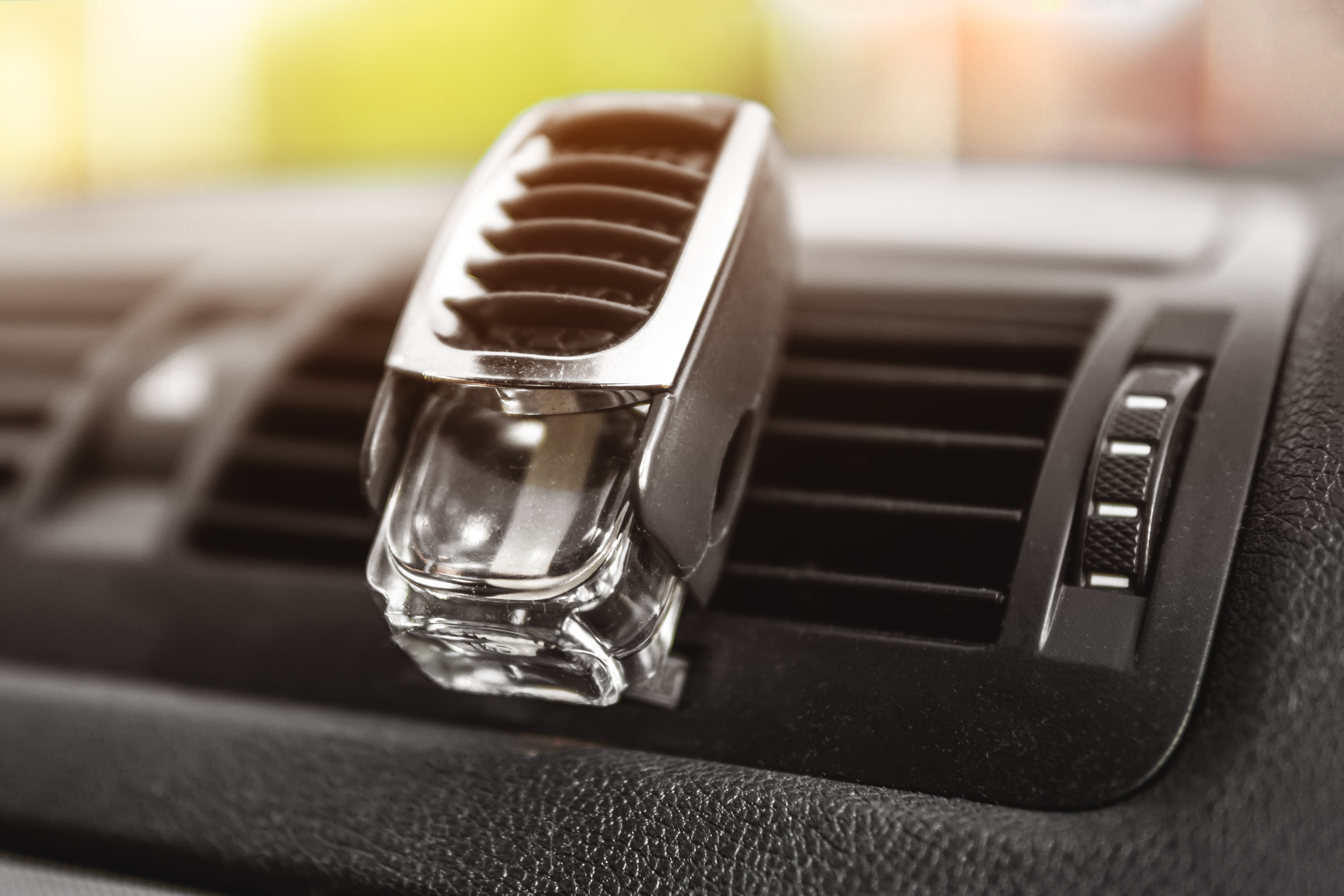
We've all seen them hanging from rearview mirrors or clipped to vents—traditional fresheners have been road trip companions for decades.
Types of Traditional Fresheners
The world of traditional car air fresheners offers more variety than you might think. The classic cardboard tree has company these days.
Hanging fresheners remain the most recognizable type. These cardboard or felt pieces come soaked in fragrance and dangle from your mirror. They're cheap, simple, and available everywhere from gas stations to grocery stores.
Vent clips attach directly to your air conditioning outlets. When your AC runs, it pushes air through these scented plastic clips, spreading fragrance through your car. They tend to last longer than hanging varieties.
Gel fresheners sit in small containers you can place in cup holders or under seats. These jellied scent pockets slowly release fragrance without needing airflow to activate them.
Spray fresheners give you on-demand scent control. A quick spritz refreshes your car instantly, though the effect doesn't last as long as other options.
How They Function
Traditional car fresheners rely on basic science to fill your vehicle with fragrance. Most work through simple evaporation—no power source needed.
The process starts with a scented substance (liquid, gel, or solid) that gradually turns to gas at room temperature. As this happens, scent molecules release into your car's air. The warmer your car gets, the faster this process occurs—which explains why that new pine scent seems so strong on hot summer days.
Most traditional fresheners work continuously once unwrapped. The scent release happens day and night, whether you're driving or not. This constant evaporation explains why these products typically lose strength over time.
Some newer gel and vent-clip varieties try to address this limitation with adjustable lids or clips that let you control how much of the scented surface gets exposed to air. Close the vent, and you'll slow down scent release—extending the product's life.
Comparing Scent Options
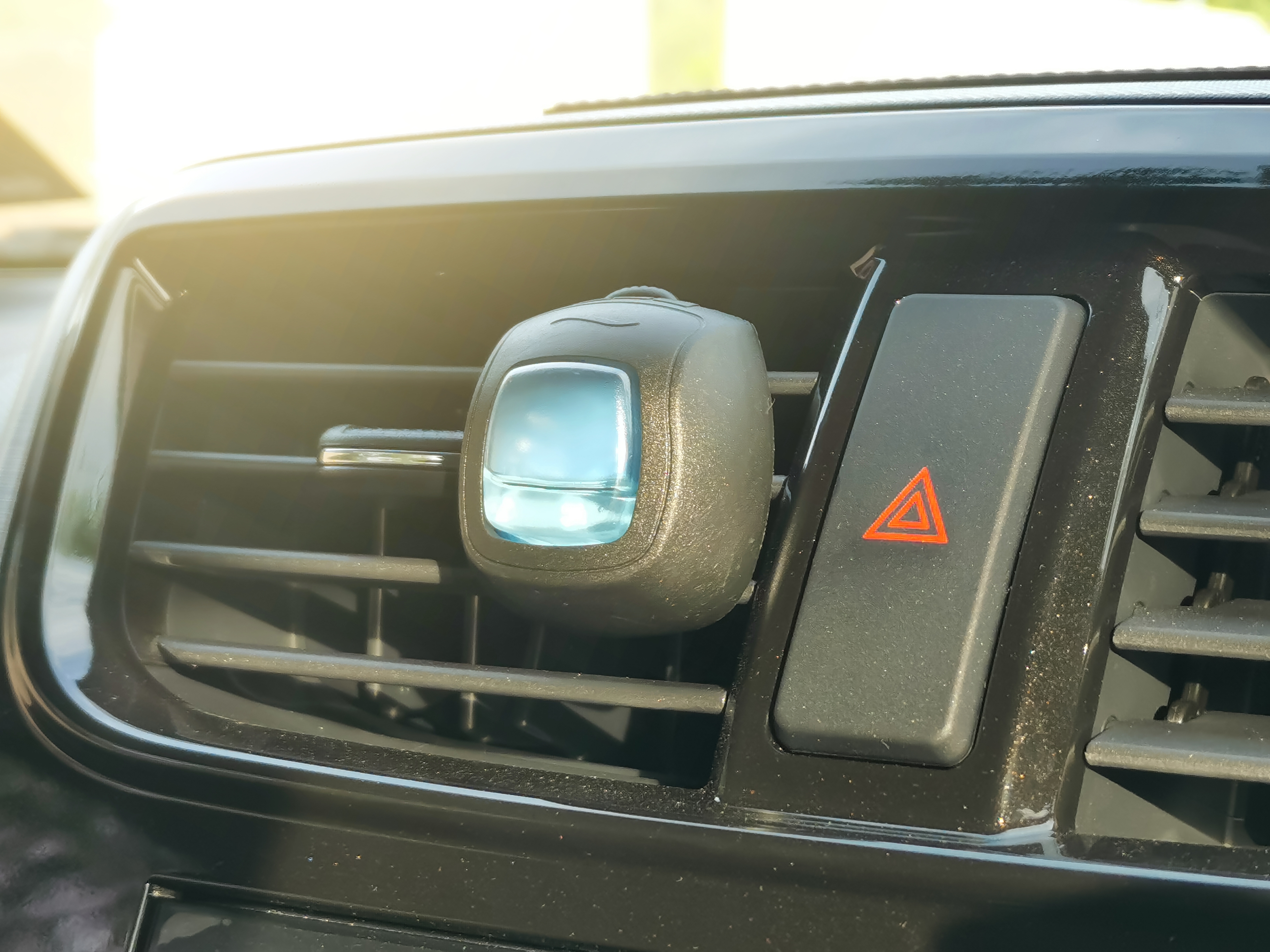
When it comes to how your car smells, the details matter. Let's look at what sets these options apart.
Scent Strength and Longevity
Car diffusers and traditional fresheners create very different scent experiences in your vehicle. Which lasts longer depends on how you use them.
Car diffusers typically offer more subtle fragrances that don't overpower your senses. The scent builds gradually and feels more natural. A 10ml bottle of essential oil for your diffuser might last 2-3 months with regular use, depending on your settings. The key advantage? The scent stays consistent rather than fading dramatically over time.
Traditional fresheners start strong—sometimes too strong. That powerful first-day scent fades quickly, often becoming barely noticeable after a week or two. A typical hanging freshener might keep your car smelling nice for 2-4 weeks before needing replacement.
The difference comes down to how each releases scent. Diffusers distribute fragrance in measured amounts, while traditional options release most of their scent compounds in the first few days after opening.
Control and Adjustability
The level of control you have over your car's fragrance varies dramatically between these options.
Car diffusers put you in the driver's seat of your scent experience. Many models let you adjust mist intensity, set timers, or create schedules. Want stronger scent during your morning commute but milder fragrance for evening drives? A quality car diffuser can handle that. You can also switch between different essential oils whenever you want a change.
Traditional fresheners offer limited adjustability. Some vent clips include dials to open or close scent chambers, but most hanging and gel options provide no control at all. Once opened, they release scent at whatever rate the temperature and airflow dictate.
This difference matters for people with scent sensitivities or those who share their vehicle. With a diffuser, you can turn the scent down (or off) when needed—something impossible with most traditional options.
Ingredients and Air Quality
What goes into your car's air matters, especially in such a small, enclosed space.
Car diffusers typically use essential oils or water-based fragrance solutions. These contain fewer synthetic chemicals than many traditional fresheners. For people concerned about breathing artificial compounds, diffusers can be a welcome alternative. Many essential oils come from natural sources like plants and fruits.
Traditional car fresheners often contain more synthetic ingredients to create long-lasting scents at lower costs. These might include phthalates, formaldehyde, and petroleum distillates—chemicals that some people prefer to avoid. Not all traditional fresheners use these compounds, but checking labels can be challenging since many manufacturers don't list full ingredients.
Neither option promises better air quality overall—both add compounds to your car's environment. The choice comes down to which ingredients you feel comfortable breathing during your daily drives.
Cost and Convenience
Money matters when choosing how to keep your car smelling fresh. Let's break down what you'll spend and what you'll get.
Cost Over Time
The price difference between car diffusers and traditional fresheners seems stark at first glance, but the long-term math tells a different story.
Car diffusers require a bigger upfront investment. Basic vent-clip models start around $15, while premium electric diffusers can cost $30-60. Then you'll need essential oils or fragrance solutions, adding another $10-20 per bottle. This might seem expensive compared to a $3 hanging freshener.
But look at the numbers over six months: Six traditional fresheners at $3 each cost $18. A $25 diffuser plus two $15 oil bottles costs $55. That's about $3 per month for traditional fresheners versus $9 monthly for the diffuser setup.
The gap narrows with higher-quality traditional options. Premium vent clips or gel fresheners cost $5-8 each and need replacement every 30 days. At $6 monthly, they're closer to diffuser costs while still offering less control.
For many drivers, the extra cost of diffusers pays off in better scent quality and adjustability.
Ease of Use and Maintenance
How much time are you willing to spend managing your car's fragrance? The answer might guide your choice.
Traditional fresheners win for simplicity—unwrap, hang, and forget. No refilling, no settings to adjust, and no cleaning required. When the scent fades, you toss the old one and hang a new one. This no-fuss approach works well if you want the simplest possible solution.
Car diffusers demand more attention. You'll need to refill the oil reservoir periodically, clean the unit to prevent clogging, and possibly adjust settings. Some diffusers need occasional wiping to prevent oil buildup around the device.
Spills present another consideration. Knock over a gel freshener, and you might face sticky residue. Tip an essential oil bottle during refilling, and you could stain your car's interior. Both scenarios require immediate cleanup to prevent damage.
The maintenance trade-off comes down to frequency versus complexity: frequent but simple replacements for traditional options, or less frequent but more involved maintenance for diffusers.
Making the Right Choice
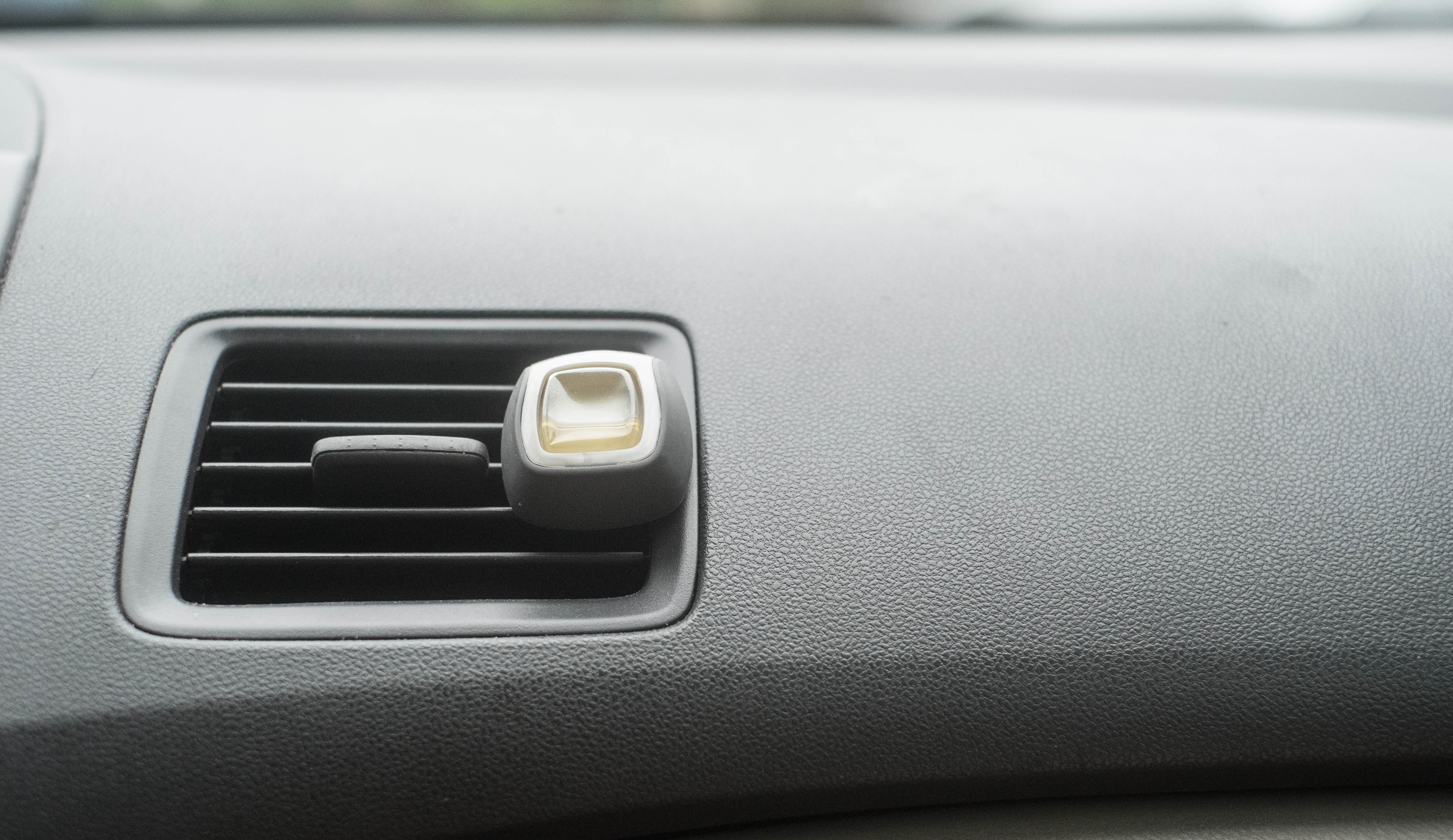
Your driving habits and preferences should guide your decision between these scent options.
When to Choose a Car Diffuser
Car diffusers make the most sense for certain drivers and situations. You might prefer a diffuser if you match these patterns.
Daily commuters benefit most from diffusers. If you spend hours in your car each week, the ability to adjust scent strength and change fragrances becomes more valuable. The consistent fragrance experience makes long drives more pleasant without the scent peaks and valleys of traditional options.
Drivers with scent sensitivities find diffusers more comfortable. The ability to dial back intensity helps prevent headaches or nausea that stronger fragrances might trigger. This control proves especially helpful when driving with passengers who might have different scent preferences.
People who care about specific scent profiles also appreciate diffusers. If you want your car to smell exactly like lavender and mint—not just "fresh linen"—a diffuser lets you create custom blends with essential oils.
Diffusers also work well in newer, well-maintained cars where you want subtle fragrance rather than odor masking. The gentle scent complements rather than competes with that new car smell.
When Traditional Fresheners Work Best
Traditional car air fresheners still hold their own in many situations. They might be your better option when:
Occasional drivers often find traditional fresheners more practical. If you only use your car for weekly grocery runs or weekend outings, the simplicity of a hanging freshener makes more sense than maintaining a diffuser system.
Rental cars or borrowed vehicles call for temporary solutions. A quick-working traditional freshener can mask odors immediately without investing in a device you'll need to remove later.
Older cars with existing odor issues sometimes need the stronger scent-masking ability of traditional fresheners. When fighting against years of embedded smells, the powerful initial punch of these products works to your advantage.
Budget-conscious drivers appreciate the low entry cost of traditional options. When every dollar counts, spending $3 now beats spending $30 now, even if the long-term math favors diffusers.
Cars exposed to extreme temperatures present challenges for diffusers, which might crack in freezing weather or leak in severe heat. Traditional fresheners tend to handle these conditions better.
The right choice comes down to your personal driving situation. Consider how often you drive, how sensitive you are to scents, and how much effort you want to put into maintaining your car's fragrance.