Exploring Aromatic Appetite Support: Can Scents Enhance Meal Satisfaction?
Certain scents can shift how you feel around food—making meals feel cozier or helping you slow down and enjoy each bite. While scent isn't a magic fix, some people find that using aromas thoughtfully may support mindful eating and satisfaction. In this post, you'll learn how smell affects appetite and explore gentle ways to experiment with aromatic appetite support that may help you feel more satisfied after meals.
A Gentle Take on Appetite: Can Scent Play a Supporting Role?

Have you ever walked past a bakery and suddenly felt hungry from just the aroma of fresh bread? Or maybe you've noticed how a calming lavender scent helps you slow down and savor each bite of your evening meal. Our sense of smell plays a fascinating role in how we experience food.
Let's be clear from the start: scent isn't a magic solution or a substitute for balanced nutrition. It's simply one gentle tool that might help create a more mindful, satisfying relationship with meals. Think of aromatic appetite support as setting the stage for a more present eating experience rather than trying to "hack" your body's natural signals.
The Nose Knows: How Smell and Appetite Connect
Our sense of smell is intimately tied to our experience of taste, creating what scientists call "flavor." When you catch a whiff of something delicious, your brain starts preparing for food before you take your first bite. This connection works in multiple directions: some aromas might increase your anticipation of food, while others may help you feel calmer or more content.
What's fascinating is how personal our responses to scent can be. The vanilla that helps one person feel satisfied might trigger cravings in another. This is why aromatic appetite support is about finding what works for your unique body and preferences, not following strict rules.
(Please note: This information is not medical advice. Your personal health journey should always include guidance from qualified professionals.)
Scents That May Support a Sense of Satisfaction

Vanilla and Warm Gourmand Notes
There's something inherently comforting about vanilla. Some people find that gentle, dessert-like scents can provide the emotional satisfaction of a sweet treat without actual snacking. A vanilla candle during or after dinner might create a sense of having enjoyed something special, potentially helping you feel more content with your meal.
This approach isn't about restriction but rather about adding an extra layer of sensory pleasure to your dining experience. The warm, enveloping quality of gourmand scents can make mealtimes feel more like a nurturing ritual.
Peppermint and Fresh Herbal Scents
Crisp, clean peppermint has a reputation for clarity and focus. Some small studies suggest peppermint aroma may help people stay present and mindful, potentially reducing the tendency to snack without thinking. Other herbs like rosemary and basil offer similar refreshing qualities.
Try diffusing peppermint oil while preparing meals as a way to stay engaged with the cooking process. This mindfulness often extends to eating, helping you notice flavors more fully and recognize satisfaction cues.
Citrus and Bright, Uplifting Aromas
Lemon, grapefruit, and orange scents bring an instant feeling of freshness and renewal. Many people find these bright aromas help create a sense of reset between meals or activities. The clean, zesty quality of citrus can feel like a palate cleanser for both your nose and your mood.
Cozy, Grounding Woods and Spices
Gentle cinnamon, clove, and woods like cedar create a grounding atmosphere that naturally encourages slower, more intentional eating. These aromas have a way of making a space feel more present and intimate, which can translate to how you approach your meal.
A subtle diffuser blend of these notes might help transform a rushed dinner into a moment of pause and appreciation, allowing you to notice when you're truly satisfied.
Using Scent to Support Mindful Eating Without the Pressure
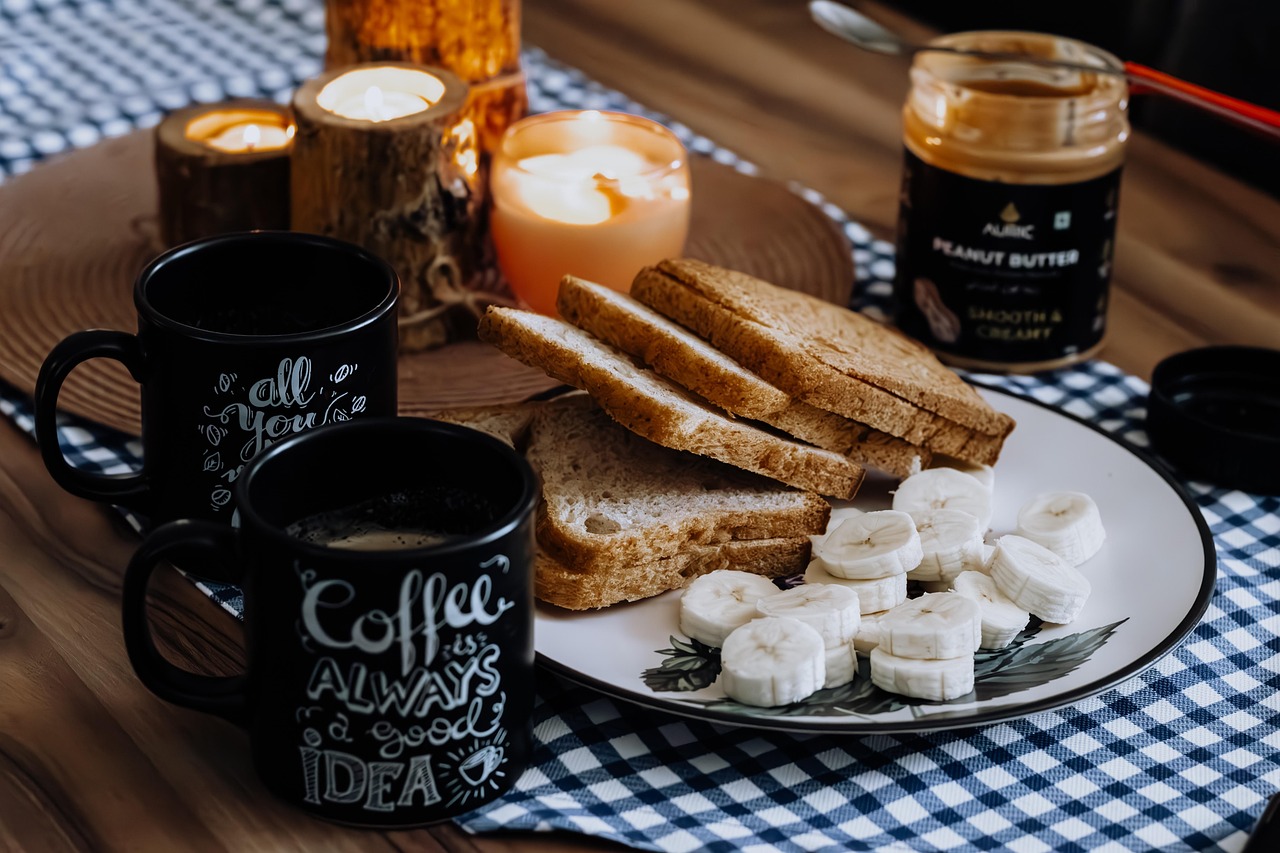
Incorporating aromatherapy and mindful eating doesn't need to be complicated. Here are some simple ways to experiment:
Light a candle with a calming scent before sitting down to eat, creating a ritual that signals "it's time to slow down"
Use a refreshing citrus or herbal room spray after meals as a gentle transition marker
Keep a small bottle of a favorite essential oil nearby to smell when you want to pause and check in with your hunger or fullness
As you try these approaches, notice if they help you:
Eat more slowly and taste your food more completely
Feel more present and less distracted during meals
Experience a greater sense of satisfaction when you finish eating
Remember, the goal isn't strict control but rather creating a more pleasant, attentive relationship with food and mealtimes.
Gentle Guidelines and Safety Considerations
While exploring scents that may help with appetite control, always follow basic safety practices:
Use products according to their directions
Keep oils, candles, and diffusers away from children and pets
Never ingest essential oils or apply undiluted oils to your skin
Ensure good ventilation and avoid overwhelming scent levels
A Kinder Approach to Scent and Appetite
Using scent to feel more satisfied after meals isn't about forcing your body to conform to external standards. It's about creating sensory environments that support your natural ability to enjoy food mindfully and recognize satisfaction.
Aromatic appetite support works best when approached with curiosity and kindness rather than strict expectations. Your relationship with food is unique and deserving of gentle care, one mindful meal and one comforting aroma at a time.
Why not start with just one scent that brings you joy? Notice how it affects your mealtime experience, staying open to what your body tells you. The most valuable outcome isn't any particular result but rather the practice of paying attention with compassion.