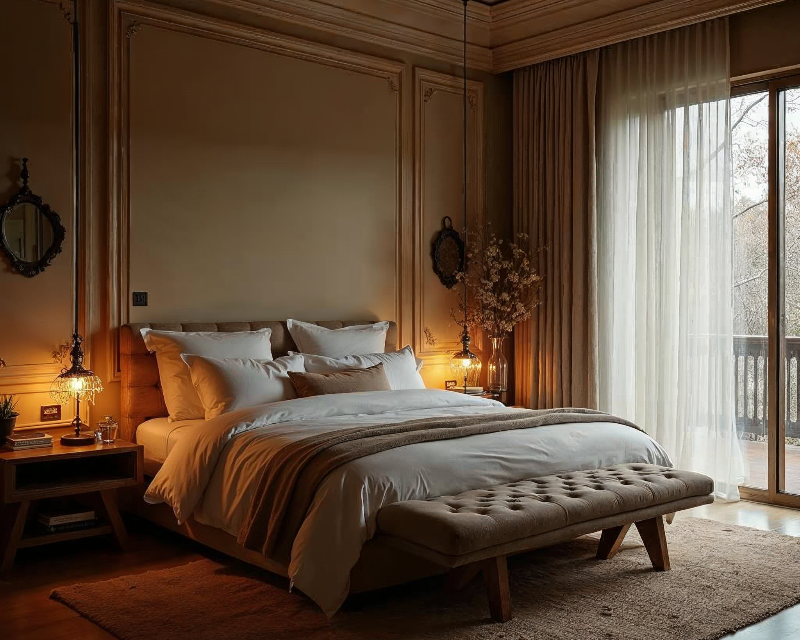
Three Reasons Why Aromatherapy Will Transform Your Life
Can something as simple as scent change your life?
Here at Potion & Twig, we believe it can!
"In our own home, fragrance has always been central to creating a quiet charm of comfort and connection," says Tanya Wilson, co-founder of Potion & Twig. "Aromatherapy can support your mood, add calm to your routines, and shape how your home feels each day."
In fact, Potion & Twig customers find that the benefits of aromatherapy for everyday life offer gentle ways to feel more grounded and refreshed. In this article, you'll learn about three reasons why aromatherapy will transform your life.
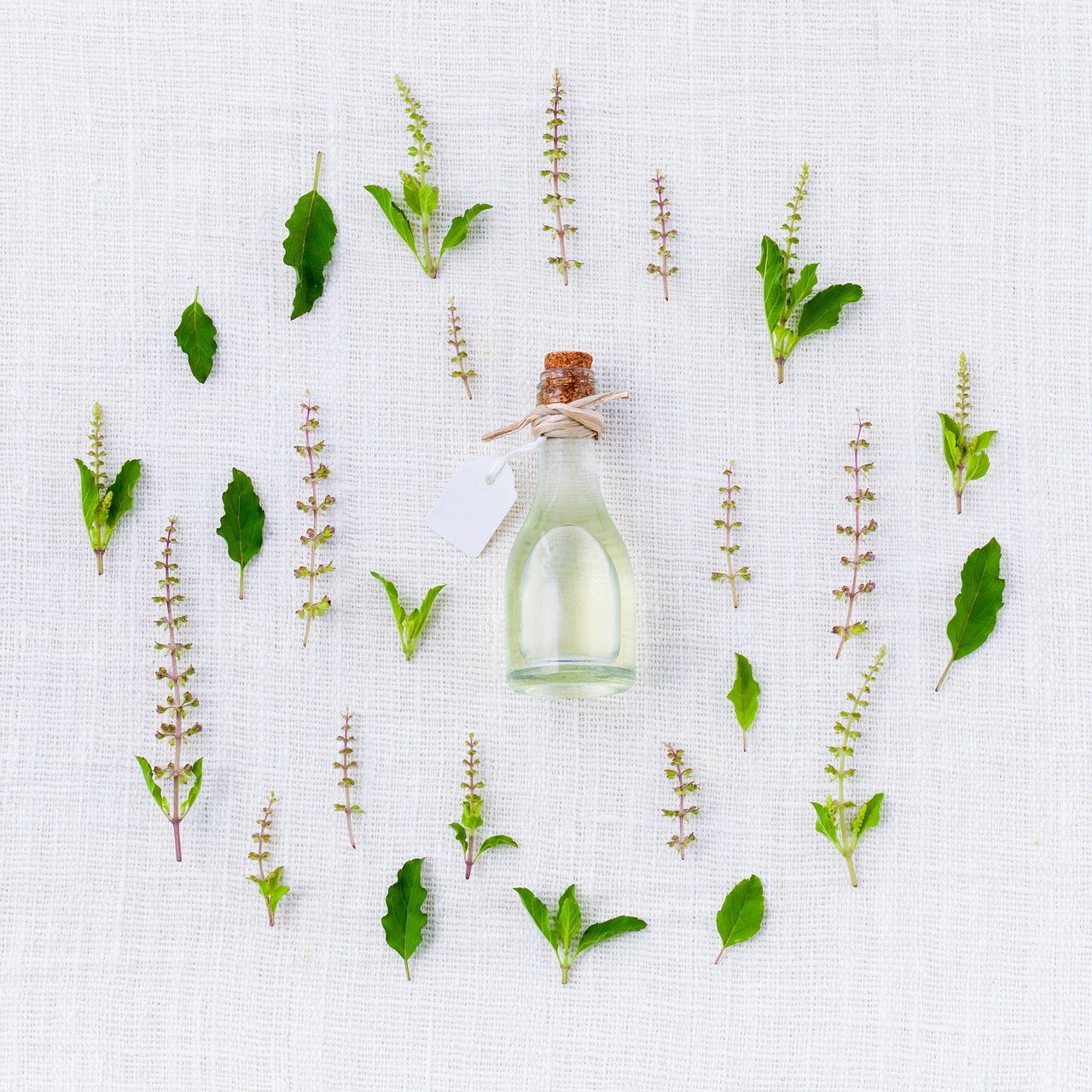
Aromatherapy, Simply Explained
Walking into a room filled with the gentle scent of lavender can instantly make your shoulders drop and your breath deepen. That's the quiet magic of aromatherapy at work. In everyday terms, aromatherapy means using fragrance and plant-based materials to influence your mood, comfort level, and the overall feeling of a space.
This practice isn't about medical treatment or miracle solutions. It's about creating subtle shifts in how you feel through your sense of smell. The aromas you choose can become part of your daily comfort, like a favorite sweater or a warm cup of tea.
Reason #1: It Can Help Shift Your Mood in Moments
Scent and the emotional brain
Our noses connect directly to parts of the brain that handle emotions and memories. That's why certain scents can transport you back to your grandmother's kitchen or a favorite vacation spot in an instant.
Some aromas might help you feel calmer (like lavender or chamomile), while others might make you feel more alert and uplifted (like citrus or peppermint). Your personal responses to scents are unique to you, shaped by your own memories and preferences.
Everyday mood moments
Try these simple ways to support your emotional wellbeing with scent:
Diffuse calming scents like lavender or cedarwood during your evening wind-down routine
Keep a bright citrus or minty room spray nearby for midday slumps when you need a mental reset
Light a vanilla or sandalwood candle when you want to create a sense of comfort and stability

Reason #2: It Turns Routine Into Ritual
From automatic habits to intentional moments
When you pair specific scents with regular activities, ordinary tasks can become meaningful moments you look forward to. Your morning shower goes from a rushed necessity to a refreshing ritual when accompanied by an invigorating eucalyptus steam.
Consider creating these scent pairings:
A special diffuser blend that signals it's time for morning coffee and planning
A particular candle you light only during your reading or bath time
A gentle room spray used right before bed to cue your body it's time to rest
Anchoring positive associations
When you use the same scent during the same activity regularly, your brain starts to connect that aroma with the feelings you want to cultivate. The lavender oil you apply before meditation can eventually become a mental shortcut to that calm, centered state.
Start by choosing one or two key moments in your day and pair them with a consistent scent. Over time, these can become powerful anchors for the feelings you want to invite into your life.
Reason #3: It Transforms the Atmosphere of Your Space
Scent as a "hidden" design layer
Just like lighting or background music, scent shapes how a space feels overall. It's an invisible design element that can make your home feel more intentional and complete.
A carefully chosen scent can turn an ordinary living room into a cozy retreat or transform a simple bathroom into a spa-like sanctuary. It adds depth to your space in ways guests might not immediately notice but will certainly feel.
Creating zones and signatures
Different areas of your home can benefit from different scent profiles:
Fresh, clean scents like lemon or basil for entryways and kitchens
Warm, cozy scents like vanilla or amber for living rooms
Soft, soothing scents like lavender or chamomile for bedrooms
Clear, bright scents like rosemary or mint for home offices
You might also consider creating a "signature home scent" that guests begin to associate with your space. This can make your home feel more cohesive and welcoming, like the best boutique hotels.
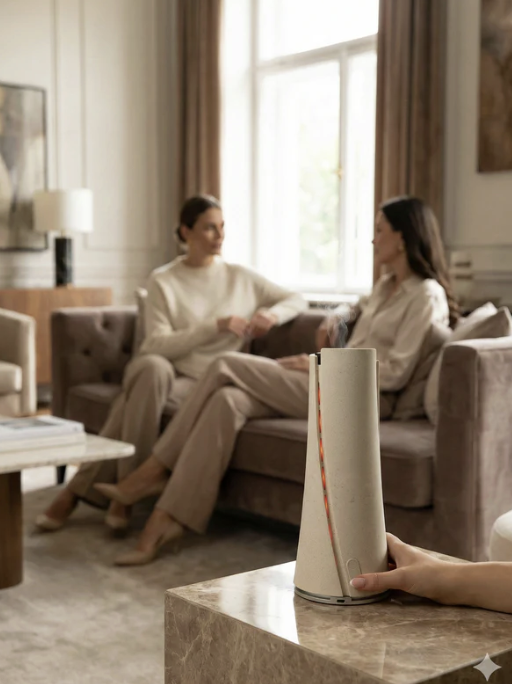
Getting Started with Aromatherapy
Begin your aromatherapy journey with these simple steps:
Start with 2-4 scents you genuinely enjoy
Choose one delivery method (diffuser, candle, or room spray)
Introduce scent into 1-2 daily moments rather than trying to scent your entire home at once
Remember that personal preference is key. If you don't connect with a popular scent like lavender, that's perfectly fine! Trust your nose and choose what feels good to you.
Safety, Comfort, and Common Sense
Always follow basic safety guidelines:
Read and follow usage instructions on oils, candles, and diffusers
Keep products away from children and pets
Avoid direct skin contact with undiluted essential oils
Make sure rooms have proper ventilation
Aromatherapy is not a replacement for medical or mental health care. If you have health concerns, please talk to a qualified healthcare professional.
A Small Change That Can Feel Big
Aromatherapy can feel life-enhancing because:
It can gently shift your mood
It turns everyday routines into meaningful rituals
It transforms the feel of your home or workspace
You don't need dramatic changes to notice a difference. Even small, consistent sensory additions can make daily life feel more supported and intentional. Why not try one simple aromatherapy ritual this week? Notice how it affects your mood, your routines, and the feeling of your space.